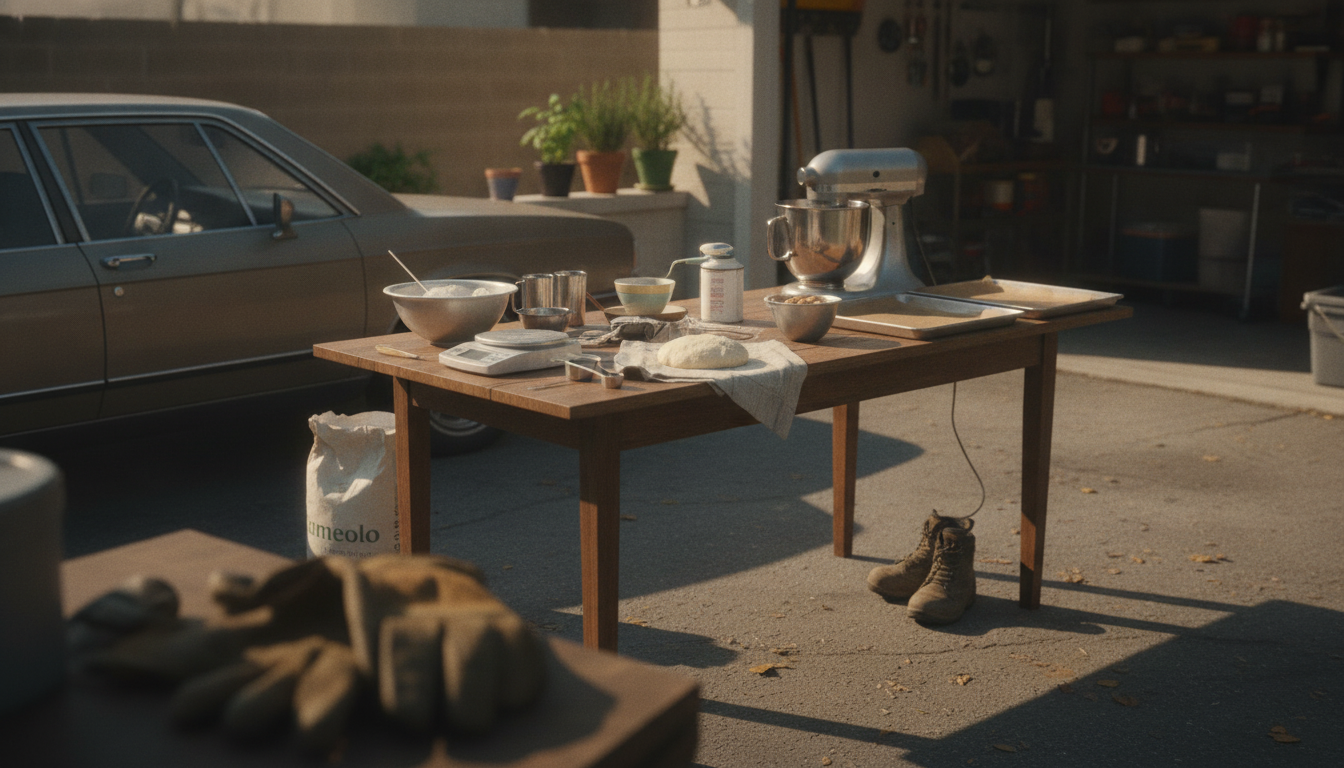
Professional bakers rely on repeatable habits more than “secret” ingredients. A few small changes—measuring precisely, controlling temperature, and building structure in your doughs and batters—can make home bakes look and taste noticeably better.
A kitchen scale removes the biggest source of inconsistency: how tightly flour is packed into a cup. If a recipe lists grams, use them. When it doesn’t, spoon flour into the measuring cup and level it off rather than scooping straight from the bag.
Room-temperature butter, eggs, and dairy blend more smoothly and trap air better for cakes and cookies. Conversely, keep ingredients cold when you want flakiness—like pie dough or biscuits—so butter stays in distinct pieces that create layers.
Professional kitchens calibrate constantly; home ovens often run hot or cold. Use an inexpensive oven thermometer and preheat longer than the beep suggests. For even browning, rotate pans about halfway through baking, especially on crowded racks.
Overmixing can make muffins, pancakes, and many cakes tough by developing gluten. Mix just until the last streaks of flour disappear. For cookies and cakes, cream butter and sugar until visibly lighter—this step creates lift.
Pan color and material affect browning. Dark metal browns faster; glass holds heat longer. Line baking sheets with parchment for consistent bottoms and easy release. For cakes, consider parchment rounds on the bottom plus a light coating of butter and flour on the sides.
Chilling cookie dough deepens flavor and reduces spreading. Resting yeast dough improves structure. After baking, cool items on a rack so steam doesn’t make them soggy; many bakes also finish setting from residual heat.
For a simple checklist of must-have tools, pantry staples, and beginner-friendly techniques, visit this baking basics guide.
A digital scale, oven thermometer, sturdy sheet pan, mixing bowls, whisk, silicone spatula, and parchment paper cover most recipes. Add a loaf pan, cake pan, and cooling rack as you bake more often.









Leave a comment