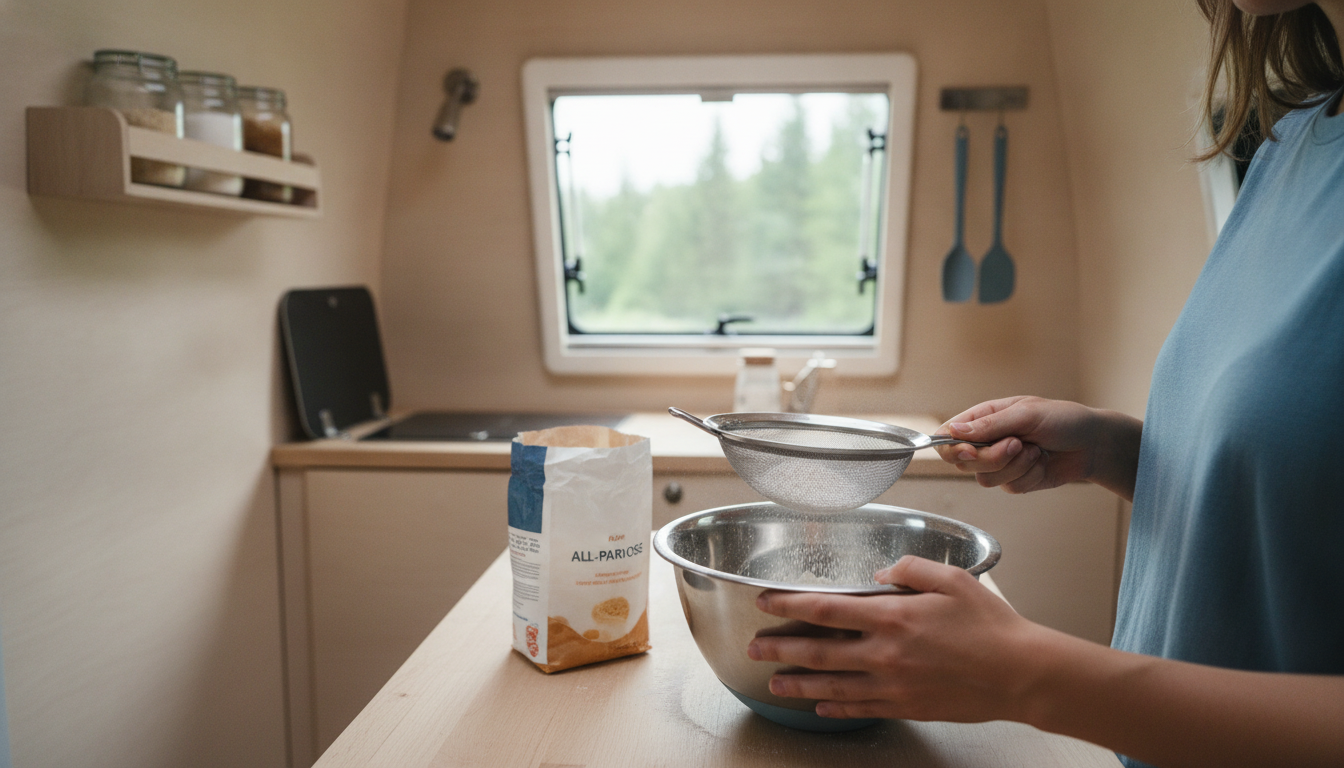
Getting into baking doesn’t require fancy gadgets or complicated recipes—just a few smart habits that prevent common beginner mistakes. These five tips will help you feel confident from the first batch of cookies to your first loaf of quick bread.
Baking is more like science than guesswork. Use measuring cups for dry ingredients and a liquid measuring cup for milk or oil. If you have a kitchen scale, even better—consistent measurements mean consistent results.
Many baking problems happen because a step was missed, the oven wasn’t preheated, or an ingredient needed to be softened ahead of time. A quick read-through helps you spot timing, temperature, and equipment needs before your hands are covered in flour.
Begin with simple bakes like muffins, banana bread, drop cookies, or brownies. These recipes are usually more flexible than layer cakes or pastries and help you practice key skills like mixing, portioning, and checking doneness.
Once flour is added, stirring too much can make baked goods dense or tough. Mix just until you no longer see dry streaks. For cookies, stop as soon as everything looks combined; for muffins, a few small lumps are fine.
Ovens can run hot or cool. Use an oven thermometer if you can, rotate pans when needed, and rely on visual cues: golden edges for cookies, a clean toothpick for quick breads, and a gentle spring-back for many cakes.
For a deeper checklist of essential tools, pantry staples, and beginner-friendly guidance, visit this baking basics guide.
A sturdy baking sheet, mixing bowls, measuring cups/spoons, a whisk, a rubber spatula, and a loaf or muffin pan cover most starter recipes. An oven thermometer and a cooling rack are small upgrades that improve results fast.








Leave a comment