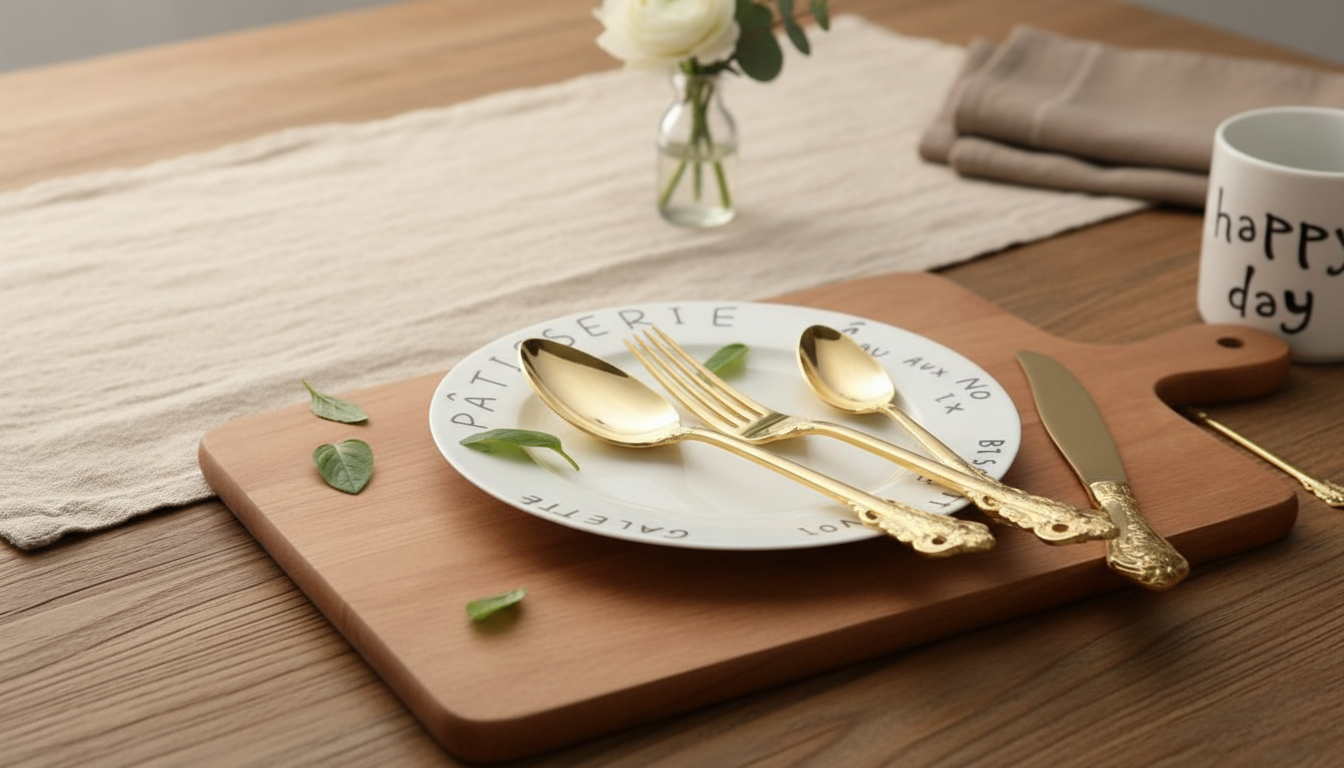
A vintage-inspired plated cutlery set adds instant polish to everyday meals and special occasions. With warm gold tones and classic detailing, it elevates place settings, photographs beautifully for hosting, and pairs well with both modern and traditional dinnerware. Whether you’re planning a candlelit anniversary dinner or upgrading weeknight plates, gold-toned flatware brings a “finished” look that makes the table feel intentionally styled. For more guidance, see Consider it serveware with a history. Hotel silver not only looks good ….
What Makes a Vintage-Plated Cutlery Set Feel Luxurious
Luxury at the table isn’t only about sparkle—it’s about shape, comfort, and how the details work together across the entire setting.
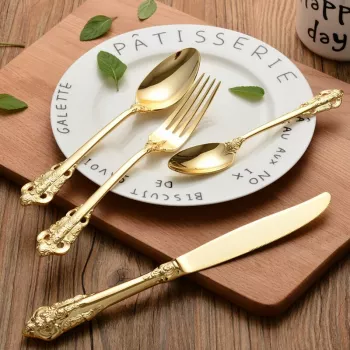
- Vintage-inspired silhouettes: Gently tapered handles, subtle ornamentation, and balanced proportions echo heirloom flatware without looking overly ornate.
- Plated finish appeal: A luminous surface reads formal even when the rest of the table is simple, so you don’t need heavy decoration to create impact.
- Weight and balance: A comfortable grip and steady feel in hand can make each course feel more refined—especially with multi-course meals.
- Cohesive tablescape effect: Matching flatware pulls plates, glassware, linens, and centerpieces into one unified visual story.
Set Overview and Styling Ideas
Gold-plated flatware is versatile: it can be the centerpiece of the table or a subtle accent that ties everything together.
- Use as a complete set: Ideal for dinner parties, holiday meals, weddings, and anniversaries where consistency across place settings matters.
- Pairing with dinnerware: Style with white porcelain for crisp contrast, or dark stoneware for a moodier, dramatic look.
- Balance the shine with texture: Linen napkins, wood chargers, and matte ceramics help gold tones feel warm and approachable rather than overly formal.
- Theme-friendly: Works for vintage glam, art deco-inspired tables, or modern minimalist styling that uses gold as the main accent.
For a café-style finishing touch at brunch, pair gold-toned flatware with a clear glass accessory like the Glass Measuring Espresso & Milk Cup with Handle—especially when you’re serving espresso drinks, cappuccinos, or measuring cream for tableside coffee.
Materials and Finish: What “Gold Plated” Means in Daily Use
“Gold plated” typically means a thin decorative metal layer is applied over a base material to achieve the desired color and sheen. Plating methods vary, but the guiding idea is the same: the surface finish is the star, and gentle care helps it last.
- Plating is a surface layer: Because the gold tone is on the exterior, abrasive cleaning and frequent friction can gradually dull the shine.
- Thickness and process can differ: Some finishes are more resilient than others; handling and washing habits make a noticeable difference over time.
- Expect natural patina: Micro-scratches and slight softening of the shine can happen with regular use, especially if cleaned aggressively.
- Avoid harsh treatment: Skip scouring pads, harsh powders, and prolonged soaking in strong detergents.
If you’re curious about how plating is applied, Encyclopaedia Britannica’s overview of electroplating provides a helpful, plain-language explanation of the process.
Comfort, Function, and Everyday Practicality
Vintage-inspired doesn’t have to mean “special occasion only.” The best sets are designed to be used often, not tucked away.
- Ergonomics: A stable handle shape should feel secure whether you’re cutting proteins, eating salad, or serving dessert.
- Edge and tine performance: Look for clean cuts, smooth contact points, and a comfortable mouthfeel with spoons and forks.
- Versatility: Great for family dinners, brunch spreads, and plated multi-course meals where consistent style matters.
- Photogenic details: Plated cutlery elevates flat-lay photos—useful for hosting, catering, and content creation when presentation counts.
Care and Cleaning for Long-Lasting Shine
Specifications at a Glance
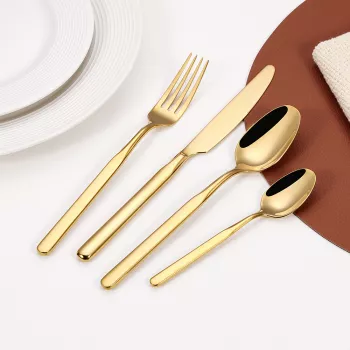
Cutlery Pieces and Common Uses
| Piece |
Common use |
Best for |
| Dinner fork |
Main courses |
Everyday dining and formal dinners |
| Dinner knife |
Main courses and proteins |
Steak, roasts, and plated entrees |
| Tablespoon |
Soups and bowls |
Stews, chowders, grain bowls |
| Teaspoon |
Desserts and drinks |
Coffee service, yogurt, desserts |
Hosting Pairings: Build a Cohesive Table Moment
- Glassware: Clear, ribbed, or lightly etched glasses complement vintage styling without competing with warm gold tones.
- Coffee and brunch: Add a precise, heat-friendly accessory like the Glass Measuring Espresso & Milk Cup with Handle for clean pours and a polished coffee station.
- Outdoor entertaining: Keep serveware simple and plan the flow—having a step-by-step guide like The Backyard Grilling Master Checklist can help timing and prep feel effortless when guests arrive.
- Centerpieces: Use low florals to maintain sight lines, and add candles to reflect warm metallic highlights across the table.
Gifting and Occasions
- Great for milestones: Weddings, housewarmings, anniversaries, and milestone birthdays.
- Practical luxury: It elevates everyday meals, yet feels special when guests are over.
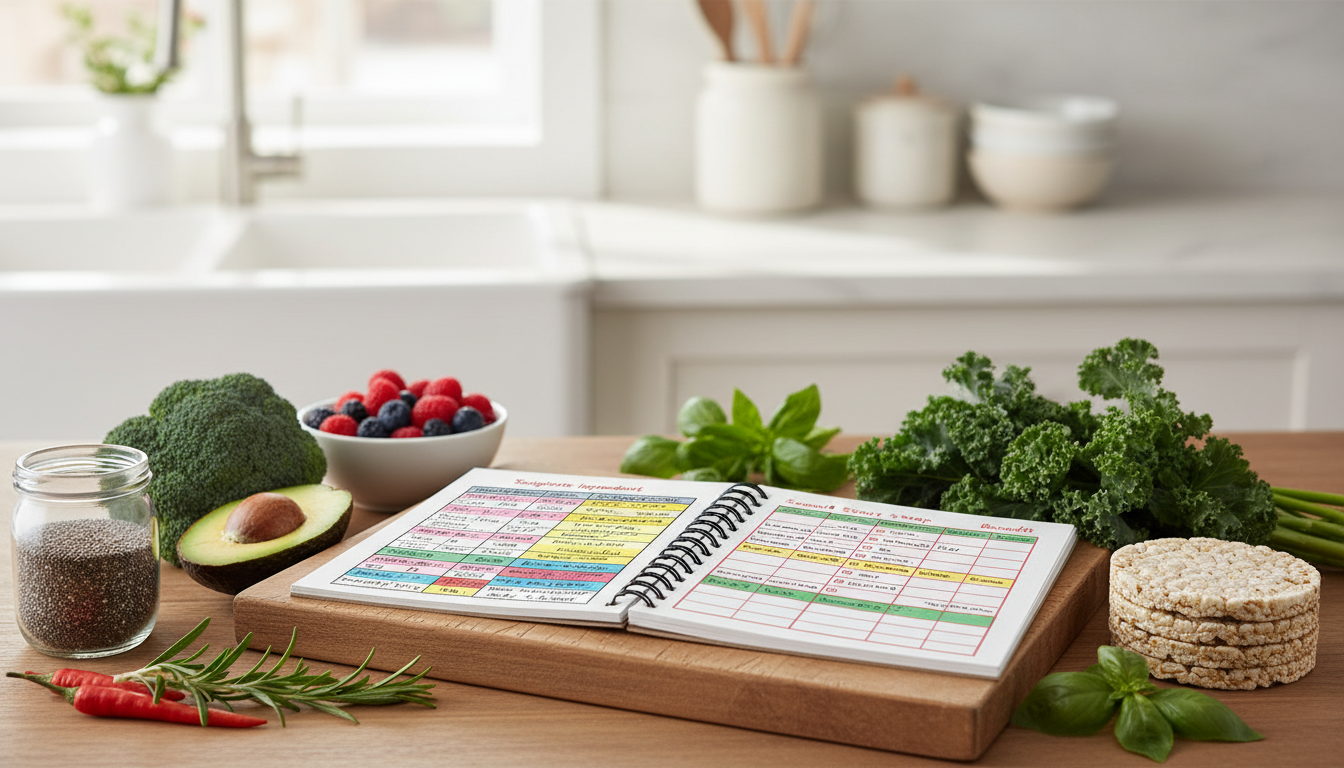
- Easy to build into a set: Pair with napkins, placemats, or hosting extras. For someone who loves planning meals and menus, a digital companion like Fresh Flavors Made Simple with Low Carb Recipes can round out a thoughtful kitchen-themed bundle.
FAQ
Is gold-plated cutlery safe to use with food?
It can be, as long as the base materials and plating quality are intended for food contact and the finish is intact. Avoid using pieces with visible flaking or deep damage, and follow the seller’s care guidance to maintain the surface.
How should plated cutlery be washed to keep the finish bright?
Use mild soap, a soft sponge, and dry promptly to reduce water spots. Avoid abrasives and harsh detergents; dishwashers may dull plating faster, especially if pieces rub against each other.
Will the gold tone fade over time?
Plating can wear gradually with friction and aggressive cleaning, so some softening of the finish is normal with frequent use. Hand-washing, careful storage, and minimizing metal-on-metal contact can significantly slow that wear.
Recommended for you








Leave a comment