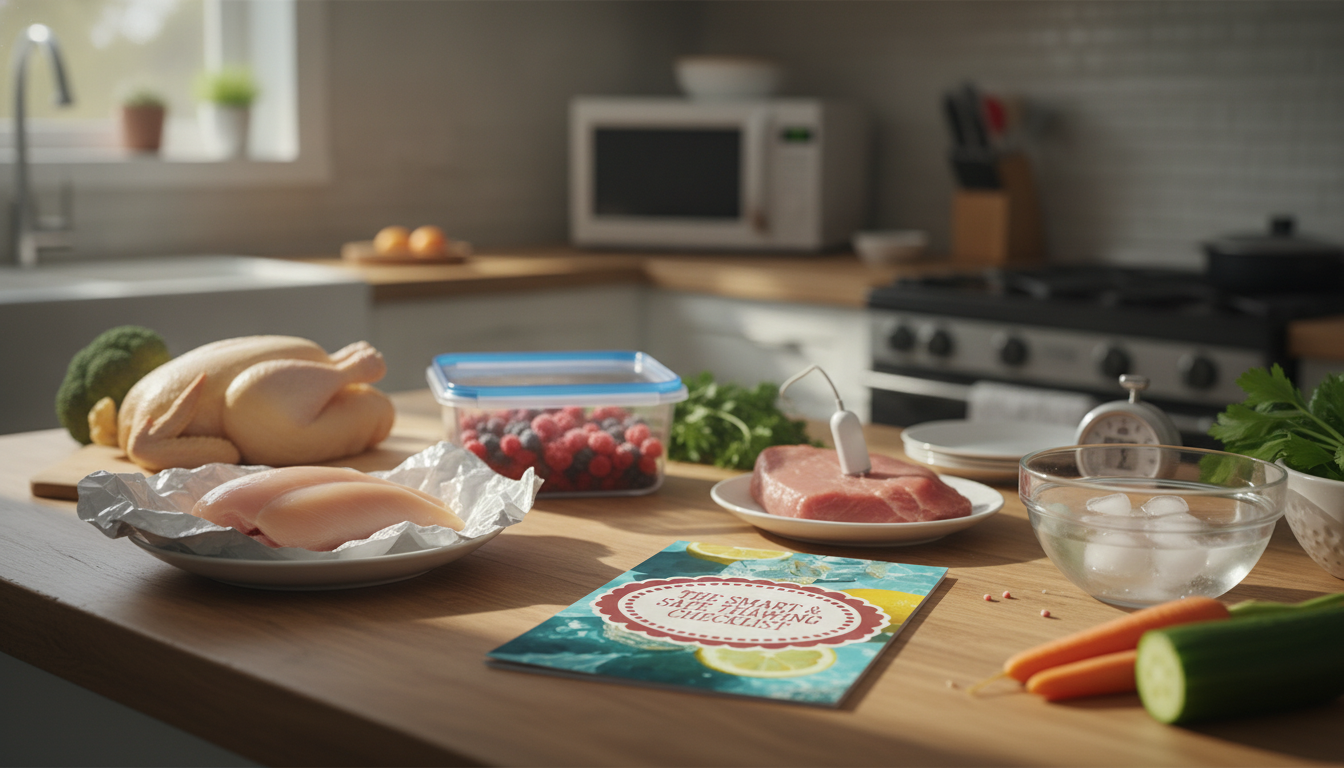
The Smart & Safe Thawing Checklist: A Simple System for Thawing Frozen Food Safely
Thawing is where great meals can quietly go wrong: the outside warms up while the center stays frozen, or food sits too long at unsafe temperatures. A checklist-style routine makes thawing predictable, fast to follow, and easy to repeat—whether using the refrigerator, cold water, or the microwave.
What “safe thawing” actually means
Safe thawing isn’t about making food “soft.” It’s about controlling time, temperature, and mess so bacteria don’t get an easy opportunity to grow.
- Keep food out of the temperature danger zone (40°F–140°F / 4°C–60°C) as much as possible.
- Thaw in ways that limit time at room temperature and reduce uneven warming.
- Prevent cross-contamination by separating raw foods from ready-to-eat foods and sanitizing surfaces.
- Plan for what happens after thawing: when to cook, when it can be refrozen, and how to store it.
For deeper guidance on approved methods and safety reminders, see the USDA’s thawing overview: The Big Thaw — Safe Defrosting Methods. General food safety best practices are also covered by the CDC food safety hub.
The three approved thawing methods (and when each one makes sense)
- Refrigerator thawing: slowest, safest, best for planning ahead and for larger cuts.
- Cold-water thawing: faster, good for same-day cooking; requires attention and water changes.
- Microwave thawing: fastest for small portions; must be cooked immediately after thawing.
Thawing methods at a glance
| Method |
Best for |
Key rules |
After-thaw rule |
| Refrigerator |
Large cuts, batch cooking, lowest-risk option |
Keep at ≤40°F (4°C); place on a tray to catch drips |
Cook within 1–2 days for most meats; some items can be refrozen if kept cold |
| Cold water |
Same-day meals, moderate portions |
Food sealed leak-proof; submerge in cold tap water; change water every 30 min |
Cook immediately after thawing |
| Microwave |
Small portions, quick turnaround |
Use defrost setting; rotate/flip; watch edges warming |
Cook immediately after thawing |
Refrigerator thawing checklist (set-and-forget done right)
- Place frozen food on the lowest shelf to prevent drips onto ready-to-eat foods.
- Use a rimmed plate, pan, or container to catch liquid from meat, poultry, or seafood.
- If the package is bulky, loosen outer wrap once softened to help even thawing—without exposing it to other foods.
- Label the container with the date moved from freezer to fridge to avoid guesswork.
- Cook promptly once thawed; keep it refrigerated until cooking time.
Practical add-on: a clear, easy-to-read measuring cup is handy when mixing quick marinades or brines while food thaws safely in the fridge. Consider the Glass Measuring Espresso & Milk Cup with Handle for small-batch prep and portioning.
Cold-water thawing checklist (fast, controlled, no shortcuts)
- Confirm the package is leak-proof; if not, place food in a sealed zipper bag to keep water out and juices in.
- Use a clean bowl or pot large enough to fully submerge the food.
- Fill with cold tap water (not warm or hot) and keep food submerged.
- Change the water every 30 minutes to keep it cold and moving heat away efficiently.
- Cook immediately after thawing; do not place thawed food back in the fridge for “later” unless it will be cooked very soon.
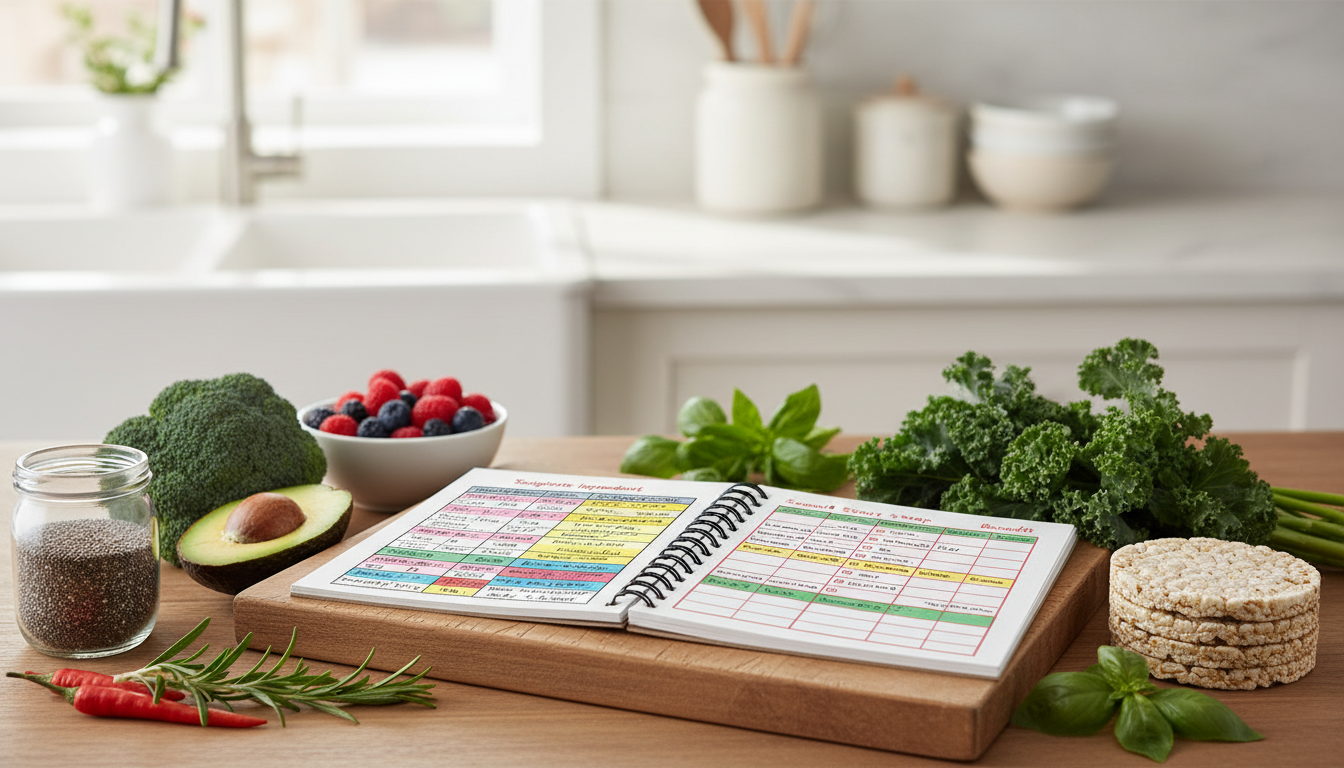
Cold-water thawing works best when the rest of the meal plan is already decided, because the finish line is “cook now.” If dinner planning is part of the challenge, a structured recipe guide can keep timing realistic—like Fresh Flavors Made Simple with Low Carb Recipes (digital download).
Microwave thawing checklist (quickest method, strict follow-up)
- Remove foam trays, twist ties, and any metal; use microwave-safe dishware.
- Use the defrost function by weight when available; pause to rotate and separate pieces as they soften.
- Watch for partial cooking on edges—especially with poultry and ground meat—then transition straight to cooking.
- Cook immediately after thawing to prevent bacteria growth in warmed areas.
- Clean and sanitize the microwave turntable and any surfaces touched by raw juices.
Common mistakes the checklist prevents
- Countertop thawing: the outside warms into unsafe temperatures while the center stays frozen.
- Rinsing raw poultry or meat: increases splash contamination without improving safety.
- “Just a little warm water”: speeds thawing by putting food into unsafe temperature ranges.
- Refreezing after warm thawing: can lock in risk and degrade texture; only consider refreezing when the food stayed refrigerated.
- Skipping the drip tray: spreads raw juices to shelves, drawers, and other foods.
After thawing: cooking, refreezing, and storage decisions
Once thawing and timing are under control, cooking becomes the fun part. For outdoor cooking days, a step-by-step grilling reference can help keep food moving from fridge to fire without delays: The Backyard Grilling Master Checklist (digital download).
What’s included in The Smart & Safe Thawing Checklist (digital download)
FAQ
Can frozen meat or poultry be thawed on the counter if it’s only for a short time?
No. Even if the center is still frozen, the outer layers can warm into the 40°F–140°F danger zone quickly, increasing food-safety risk. Use refrigerator thawing, cold-water thawing with 30-minute water changes, or microwave thawing followed by immediate cooking.
Is it safe to refreeze food after thawing?
It can be safe if the food was thawed in the refrigerator and stayed at ≤40°F (4°C), though quality may decline. If it was thawed by cold water or microwave, cook it immediately first—then refrigerate or refreeze the cooked food.
How long can thawed food stay in the refrigerator before cooking?
Many meats should be cooked within 1–2 days after thawing in the refrigerator, while some seafood may need to be cooked sooner. Don’t rely on smell or appearance alone; when timing is uncertain, it’s safer to discard.
Recommended for you








Leave a comment