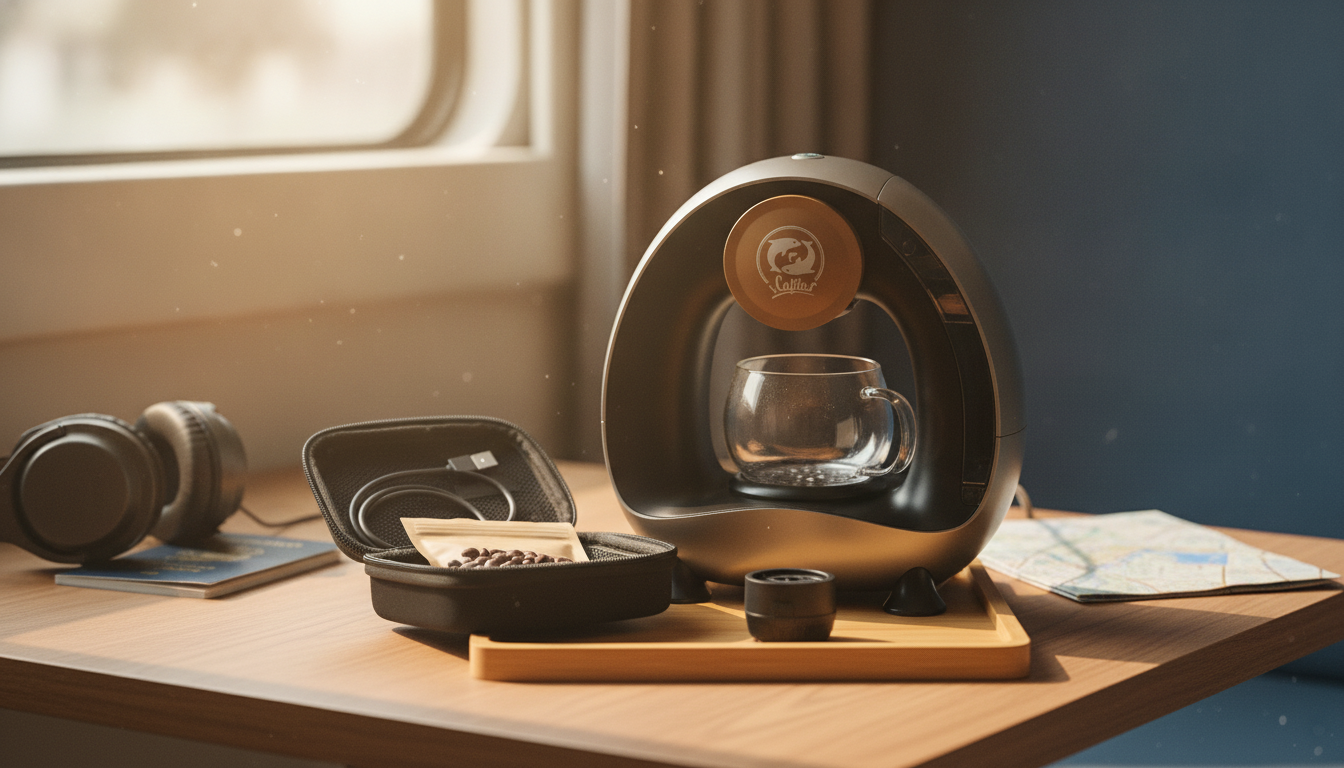
A compact coffee maker can turn a commute, hotel stay, or campsite into a reliable coffee moment—if it fits the way it will actually be used. The Mini Q Portable Coffee Maker is built around that reality: limited space, limited time, and a strong preference for a cup that still tastes like “your” coffee. Below is a practical guide to choosing (and using) a portable brewer for repeatable results, plus simple add-ons that make daily brewing cleaner and easier.
Who the Mini Q Fits Best
The Mini Q makes the most sense for routines where convenience matters, but the coffee still needs to feel intentional—not like a last resort from a lobby urn.
- Commuters who want coffee at the office or in the car park before heading in, without bringing a full setup.
- Travelers who want a familiar cup in hotels, rentals, or on road trips where “coffee included” is unpredictable.
- Outdoor use where space is limited and cleanup needs to be quick (day hikes, campsites, fishing mornings).
- Anyone who wants a compact complement to a home setup—something portable for weekdays and backup use, not necessarily a replacement for a countertop machine.
What to Look for in a Portable Coffee Maker
Not all portable brewers solve the same problem. Some prioritize espresso-style concentration, others aim for a longer cup, and some assume you’ll always have access to hot water. Before buying, it helps to match the device to how you actually drink coffee and where you’ll brew it.
- Brew style options: espresso-style shots, concentrated coffee, or a longer cup—each changes grind, dose, and expectations.
- Portability details: footprint, where it can be stored, and how it travels without leaking or collecting grit.
- Power and charging: battery/USB/plug-in and whether that fits your real-world access (car, office, airport, campsite).
- Dose and capacity: the usable coffee amount per brew and the output volume that matches your mug or shot preference.
- Heat expectations: whether you add hot water or the device heats it (and how long that takes).
- Ease of cleaning: fewer tiny parts, easy rinse points, and minimal places for grounds to hide.
- Noise and speed: practical for early mornings, shared hotel rooms, and office break rooms.
Portable Coffee Maker Checklist
| Decision point |
Why it matters |
Quick check before buying |
| Brew type |
Determines taste and strength range |
Look for the style that matches how coffee is usually enjoyed |
| Water requirement |
Affects true portability |
Confirm whether hot water must be added externally |
| Capacity |
Controls how many servings are realistic |
Match output to mug size or desired shot volume |
| Charging/power |
Determines where it can be used |
Confirm charging method and typical availability during travel |
| Cleanup |
Affects day-to-day use |
Check if rinse-only cleaning is feasible between brews |
| Spare parts |
Helps long-term ownership |
See whether seals/filters are replaceable if needed |
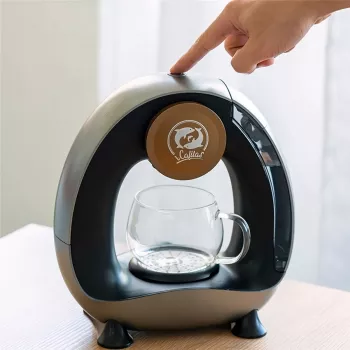
The Mini Q Portable Coffee Maker is designed for compact brewing in small spaces where a countertop machine is impractical. The key to enjoying it long-term is treating it like a simple, repeatable workflow rather than a gadget that “figures it out” for you.
- Compact by design for small kitchens, office drawers, travel bags, and outdoor kits.
- Works best with a consistent routine: measure coffee, add water as needed, brew, then rinse promptly.
- Supports consistency away from home—a dependable pattern for work, travel, and outdoor breaks.
- Pairs well with a small measuring cup for cleaner dosing and less mess during prep.
Daily Workflow: From Packing to Pouring
Portability is mostly about reducing friction. When the steps feel easy, you’ll actually use the brewer on busy mornings instead of defaulting to whatever is closest.
Coffee Results: Getting Better Flavor on the Go
For additional brewing fundamentals and dialing-in guidance, see the National Coffee Association brewing basics and the Specialty Coffee Association brewing resources.
Cleaning, Maintenance, and Travel Safety
Simple Add-Ons That Improve the Experience
- Measure and pour cleanly: A dedicated cup helps you portion espresso-style volumes and reduces mess. Consider the Glass Measuring Espresso & Milk Cup with Handle for quick measuring and controlled pouring.
- Keep mornings fast: Pre-measured coffee storage (small jars, tubes, or bags) speeds up prep and keeps outdoor use cleaner.
- Hot water anywhere: A compact thermos can be the difference between “maybe” coffee and reliable coffee when a kettle isn’t available.
- Stay organized on trips: If travel meals are part of the routine, the Fresh Flavors Made Simple with Low Carb Recipes (Digital Download) can help streamline planning so your coffee setup isn’t competing with chaotic mornings.
- Outdoor pairing: For campsite or backyard mornings where coffee is part of a bigger cookout plan, the Backyard Grilling Master Checklist (Digital Download) is an easy companion to keep your kit and timing dialed in.
FAQ
Does a portable coffee maker need hot water to brew?
Some portable coffee makers require you to add hot water, while others can heat water using a battery or external power. Check the model’s heating method and plan a reliable hot-water source for travel days.
How fine should the coffee be ground for a compact brewer?
Start with a fine grind for a more concentrated cup, then adjust slightly coarser if the flow is too slow or the taste turns overly bitter. Keep the dose consistent so small grind changes are easy to evaluate.
What’s the easiest way to clean it while traveling?
Rinse immediately after brewing, wipe any seals or contact points, and let parts air-dry before packing. A small towel or compact brush helps remove fines quickly when you’re cleaning in a tight sink.
Recommended for you









Leave a comment