Busy schedules and inconsistent routines can make healthy eating feel complicated. A low carb approach gets much easier when recipes stay simple, ingredients are familiar, and planning is built into the process. The goal isn’t to make every meal “perfect”—it’s to make meals flavorful, satisfying, and repeatable so you can stay consistent without overthinking every bite.
Low carb eating doesn’t have to mean tiny portions or bland food. Most days, it can look like meals built around a solid protein, a generous serving of non-starchy vegetables, and satisfying fats that keep you full.
| Instead of | Try | Why it works |
|---|---|---|
| Rice | Cauliflower rice or chopped sautéed cabbage | Similar texture; easy to season; fast cook time |
| Pasta | Zucchini noodles, spaghetti squash, or shirataki noodles | Creates a “noodle” feel while reducing starch |
| Tortilla wraps | Lettuce wraps or low carb tortillas | Keeps handheld meals easy with fewer carbs |
| Potato mash | Mashed cauliflower with butter/garlic | Comfort-food texture with lighter carbs |
| Sweetened sauces | Herb vinaigrette, salsa, or Greek yogurt-based sauce | Adds brightness and creaminess without added sugar |
If you’ve ever cooked “healthy” meals that tasted repetitive, the fix is usually flavor structure—not more complicated recipes. A simple mix-and-match formula creates variety even when you repeat groceries.
For nutrition fundamentals and balanced plate ideas you can adapt to low carb preferences, the Dietary Guidelines for Americans, 2020–2025 are a helpful reference point.
Meal planning works best when it’s light, flexible, and designed for real life. This three-step routine keeps you stocked without requiring a spreadsheet.
If you’re managing blood sugar or looking for practical meal ideas, the American Diabetes Association’s healthy eating resources offer straightforward guidance and recipe inspiration.
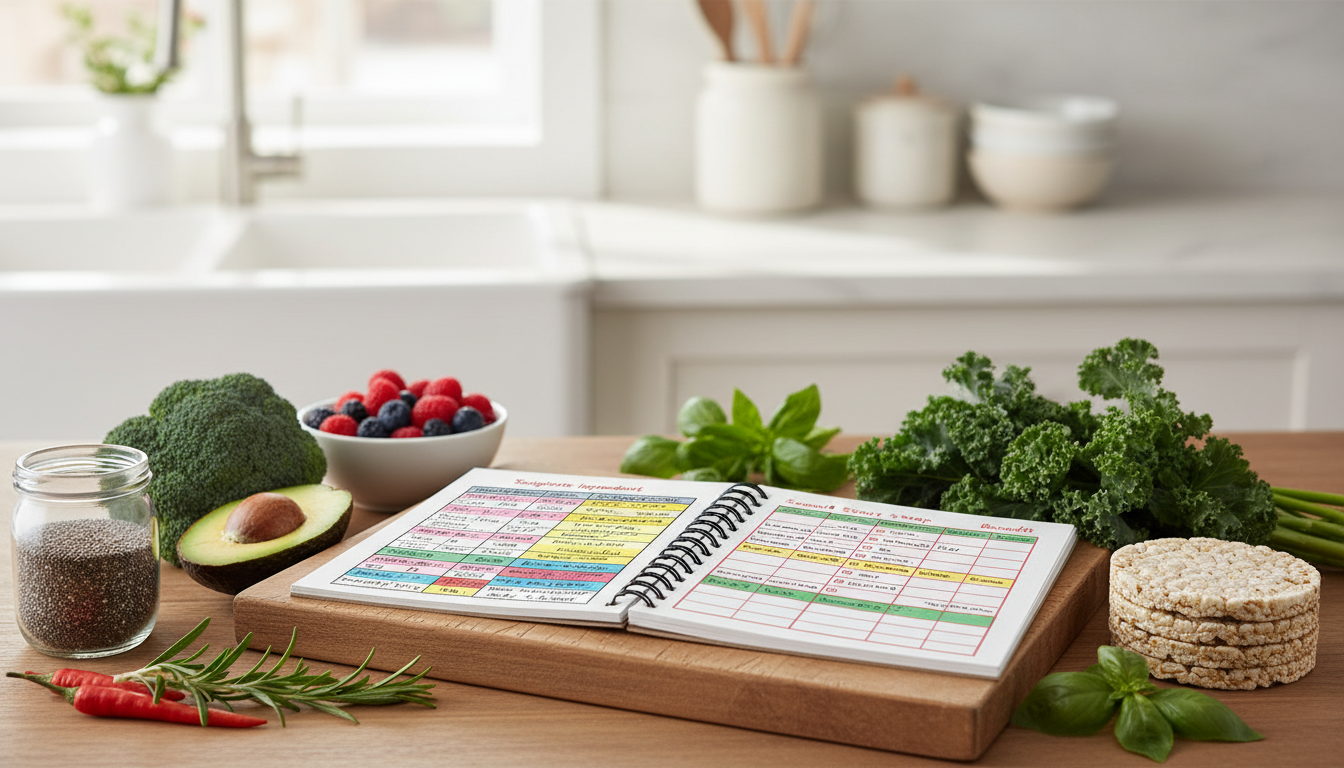
The easiest way to stay consistent is to remove friction. A simple checklist turns “What should I eat?” into “What’s already ready?”
These are “template meals” you can repeat weekly and adjust with whatever vegetables and seasonings you have on hand.
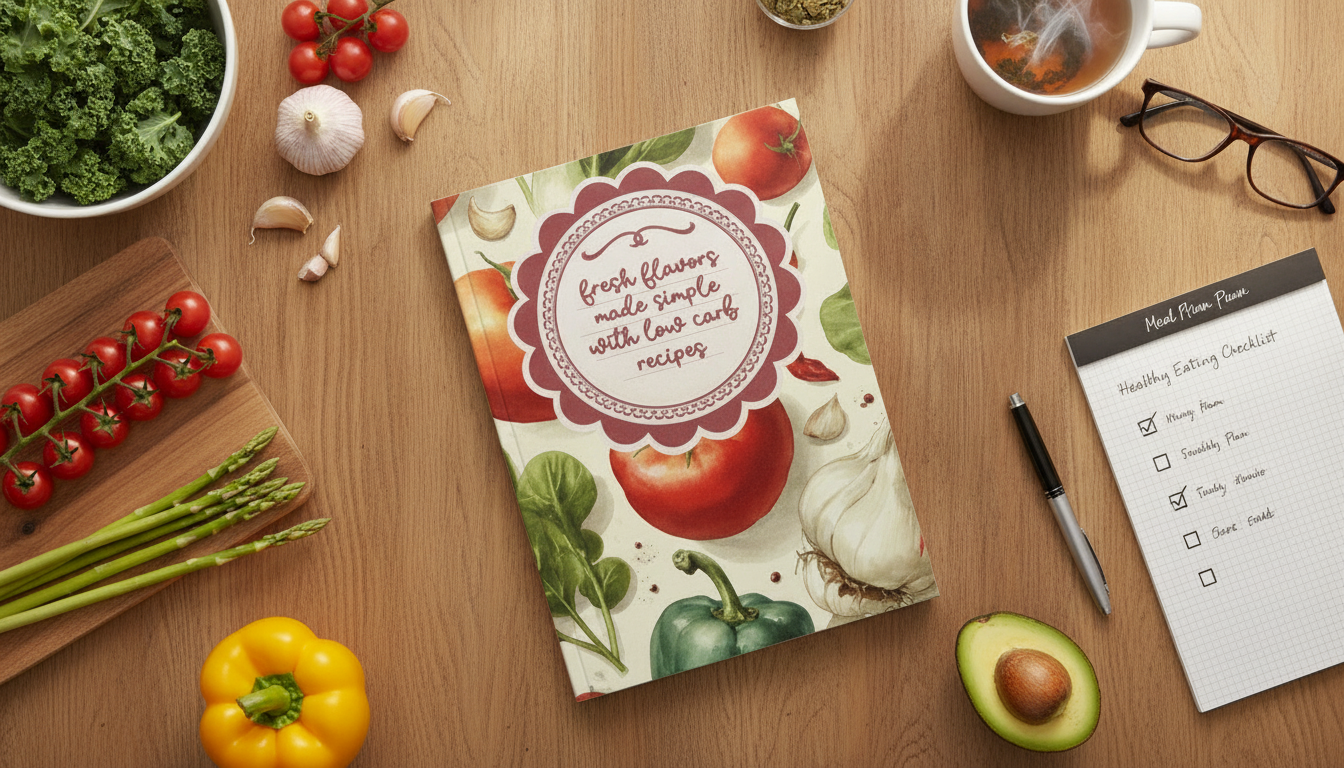
For a ready-to-use option, see Fresh Flavors Made Simple with Low Carb Recipes (digital download), which bundles meal ideas, planning support, and a practical checklist.
If you want an easy pour-and-measure option for drinks and quick kitchen prep, consider the Glass Measuring Espresso & Milk Cup with Handle.
Targets vary by person and goals, but common ranges include moderate low carb (often around 50–130 grams per day) and very low carb patterns (sometimes under 50 grams per day). If you have diabetes, take medications, or have a medical condition, it’s best to confirm a safe range with a clinician and focus on food quality and consistency.
Start with templates: sheet-pan chicken + roasted vegetables, eggs + sautéed veggies, big salads with a protein, taco bowls with cauliflower rice, and lettuce wraps. Keep flavor high with salsa, vinaigrette, lemon-garlic seasoning, pesto, or a Greek yogurt-based sauce.
Yes—many people prioritize lower-sugar fruit like berries in sensible portions and choose unsweetened dairy such as Greek yogurt, cottage cheese, and most cheeses. The key is watching added sugars in flavored yogurts, milks, and packaged “healthy” snacks.










Leave a comment