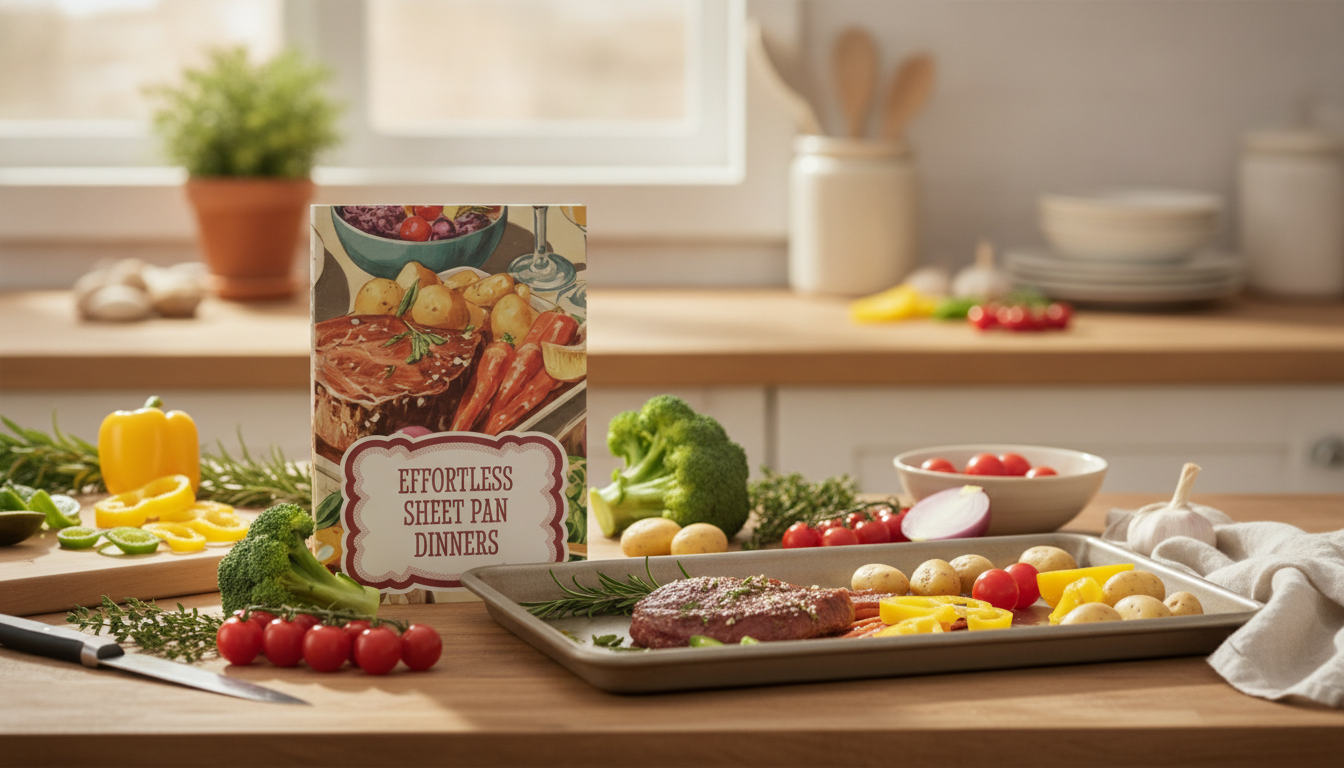
Sheet pan dinners are the weeknight sweet spot: one pan, a hot oven, and a full meal that hits protein and veggies without turning the kitchen into a disaster zone. When the process is dialed in—timing, cut size, and a simple flavor plan—you can rotate ingredients endlessly and still keep dinner fast, healthy, and satisfying.
If you like keeping tools consistent, a small measuring cup can make marinades and sauces repeatable (especially when scaling). The Glass Measuring Espresso & Milk Cup with Handle is a simple add-on for quick oil, citrus, and sauce measurements without guesswork.
The easiest weeknight plan isn’t a strict calendar—it’s a flexible framework you can reuse. A good digital guide format typically includes ingredient swaps, flavor templates, and prep flows that reduce decision fatigue. If low-carb dinners are a priority, Fresh Flavors Made Simple with Low Carb Recipes is a helpful companion for keeping meals lighter while staying flavorful.
A balanced pan is less about perfect macros and more about a dependable structure. The Harvard Healthy Eating Plate is a useful reference point for emphasizing vegetables and quality protein while keeping portions realistic (Harvard T.H. Chan School of Public Health).
Sheet pan success is mostly timing and spacing. Keep cut sizes consistent for even cooking, don’t crowd the pan (roast, don’t steam), and consider staggered loading—start dense vegetables first, then add quick-cooking items later. For proteins, internal temperature is the most reliable marker; the USDA safe temperature chart is a solid reference (USDA Food Safety and Inspection Service).
| Ingredient | Best Cut Size | Approx. Time | When to Add |
|---|---|---|---|
| Chicken thighs | Whole or large pieces | 25–35 min | Start |
| Salmon fillets | Individual portions | 10–15 min | Add later |
| Tofu | 1-inch cubes | 20–30 min | Start |
| Broccoli / cauliflower | Florets | 15–25 min | Start or mid |
| Carrots / potatoes | 1/2-inch pieces | 25–40 min | Start |
| Zucchini / asparagus | Thick slices / spears | 10–15 min | Add later |
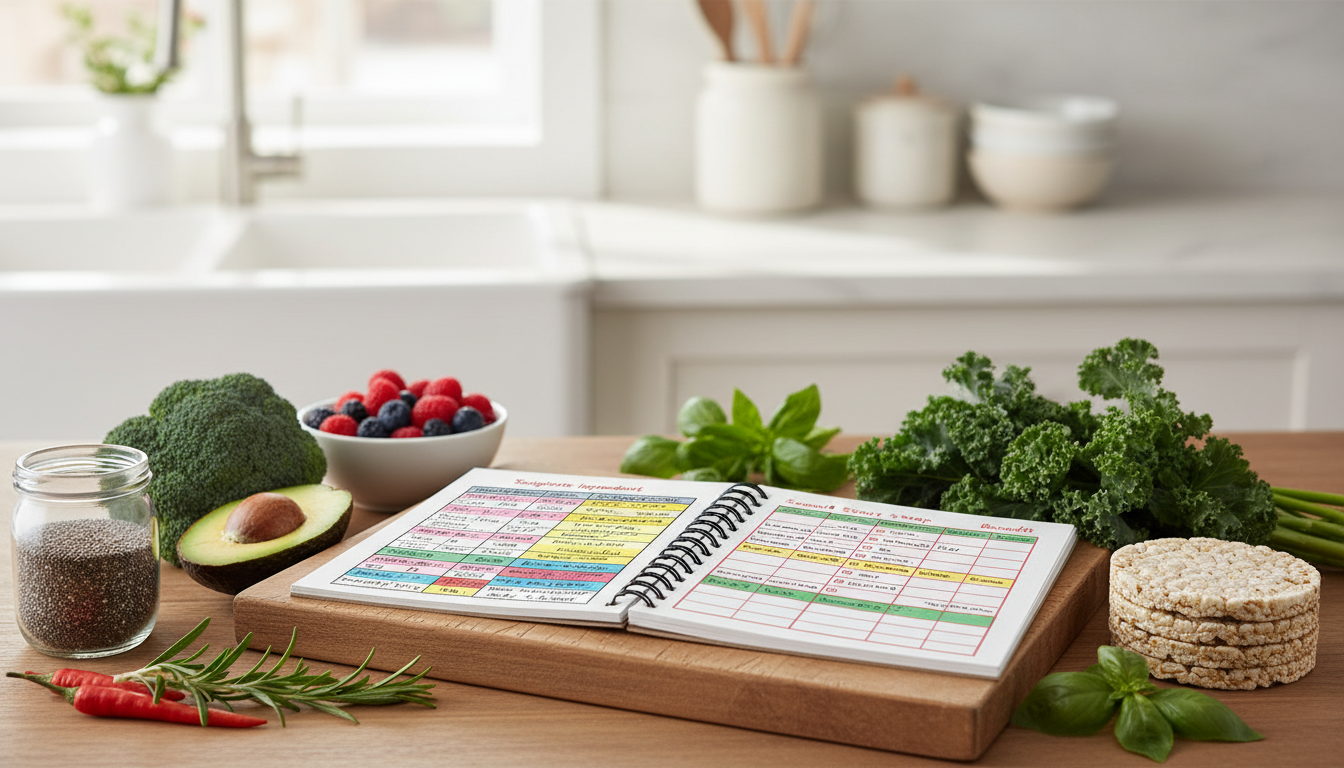
Planning is easier when it’s pattern-based instead of perfection-based. A simple structure keeps shopping tight and reduces last-minute pivots.
Most sheet pan meals roast well at 400–450°F, which helps vegetables brown while proteins cook through. Go a bit lower for delicate fish or very sugary sauces, and keep cut sizes consistent so everything finishes together.
Pair ingredients by roast time, cut dense vegetables smaller, and add quick-cooking items (like zucchini or salmon) partway through. Leaving space between pieces also helps everything roast evenly instead of steaming.
Yes—swap starchy sides for non-starchy vegetables (like broccoli, cauliflower, or green beans), choose proteins such as chicken, fish, tofu, or sausage, and use lower-sugar sauces. Keeping a low-carb recipe guide on hand can make swaps faster when planning.









Leave a comment