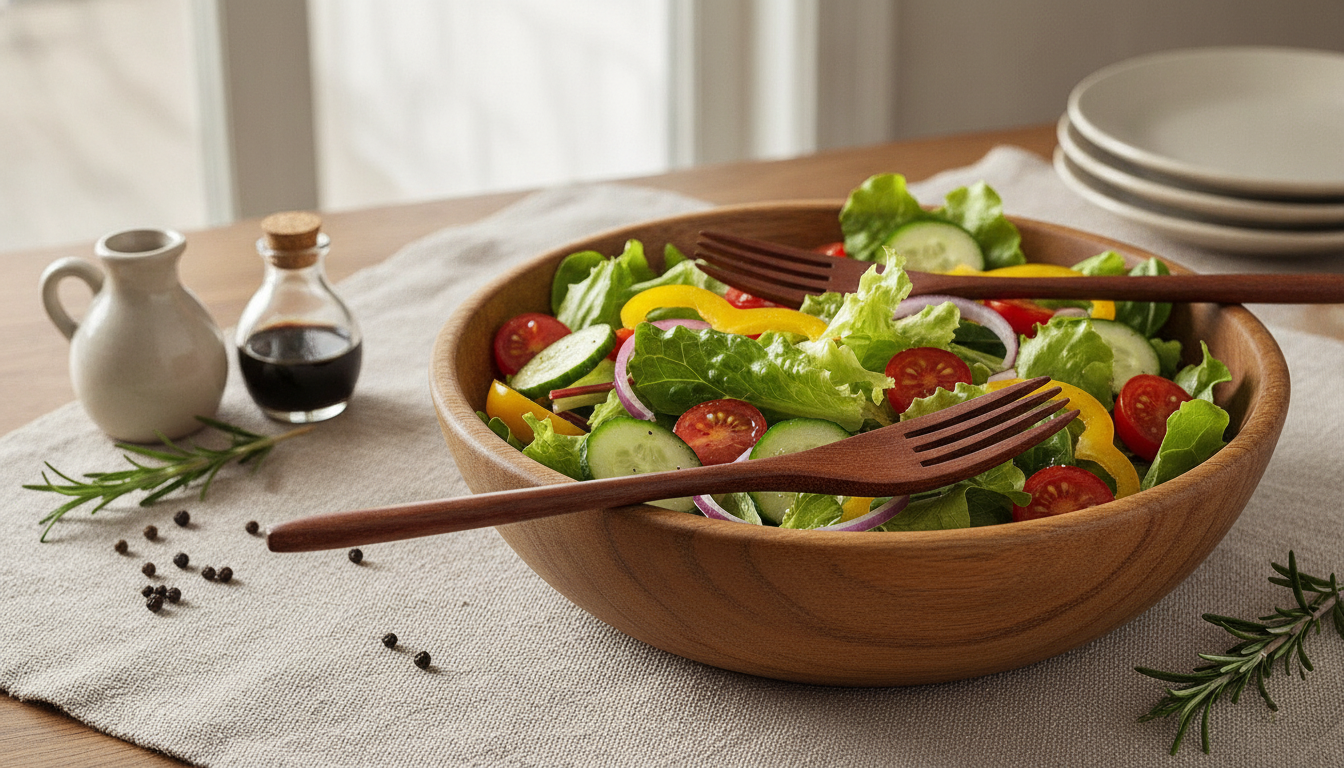
A simple pair of wooden salad forks can make tossing greens cleaner, serving easier, and table presentation warmer. A two-piece set is designed to work as a team: one fork lifts while the other guides, so dressing spreads evenly without chasing leaves around the bowl. Below is what to expect from this kind of set, everyday ways to use it beyond salad, and practical tips for care, hygiene, and choosing the right setup for shared meals.
A two-piece wooden salad fork set keeps things refreshingly straightforward. You get two matching forks made for mixing and serving from a larger bowl—use them together for a controlled toss, or grab one for quick plating.
Because wood has a slightly “grippy” texture compared to polished metal, it can help keep slippery ingredients (like cucumbers or pear slices) from sliding away while you serve.
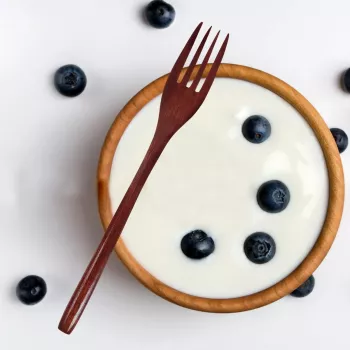
Wooden salad forks aren’t limited to leafy greens. Their shape makes them useful anywhere you want a lift-and-fold motion rather than aggressive stirring.
They’re also handy for buffet-style meals: one fork can steady the pile while the other lifts portions cleanly, which helps keep serving lines moving.
The “best” serving fork material depends on how you serve, what bowls you use, and how you prefer to clean up. Wood is often chosen for its softer contact with bowls and its cozy, casual look, while metal and plastic have their own strengths.
| Material | Best for | Watch-outs | Care basics |
|---|---|---|---|
| Wood | Gentle tossing, wood/ceramic/glass bowls, warm table look | Can dry out or absorb moisture if soaked | Hand-wash, dry promptly, oil occasionally |
| Stainless steel | High-traffic kitchens, heavy mixing, long-term durability | May scratch some surfaces; louder in bowls | Dishwasher-safe for many; dry to prevent spots |
| Plastic/nylon | Lightweight serving, nonstick cookware compatibility | Can stain, warp, or retain odors; heat limits vary | Follow heat rating; avoid harsh abrasives |
If you regularly use ceramic or glass serving bowls, wood can be a quieter, gentler choice. If your routine leans heavily on dishwashers, metal may fit better—just consider whether your bowls are scratch-prone.
Salad forks work best when you treat tossing like folding laundry: lift, turn, and repeat. That approach coats ingredients while protecting delicate greens.
For thicker dressings, a quick trick is to loosen them first: whisk in a teaspoon of water or citrus, then toss. That small step often reduces over-mixing.
Wood is durable, but it rewards simple, consistent care. The main goal is to avoid long exposure to water and high heat, both of which can dry the grain or cause warping over time.
Serving utensils touch ready-to-eat foods, so clean handling matters as much as clean tools. For baseline kitchen hygiene practices, refer to USDA guidance on keeping food prep surfaces and utensils clean (USDA FSIS — Clean) and the broader retail food safety framework in the (FDA Food Code).
Yes for typical use; rinse and dry promptly after serving. Long soaks in acidic liquids can dull the finish or dry the wood, so quick cleanup helps. Occasional food-safe mineral oil can also help maintain the surface.
Most wooden utensils last longer with hand-washing. Dishwasher heat and long water exposure can cause drying, warping, or cracking unless the specific product instructions say dishwasher-safe.
Oil when the wood looks dry, faded, or feels rough—often every few weeks to months depending on washing frequency and climate. Use food-safe mineral oil and wipe away any excess so the surface doesn’t feel greasy.







Leave a comment