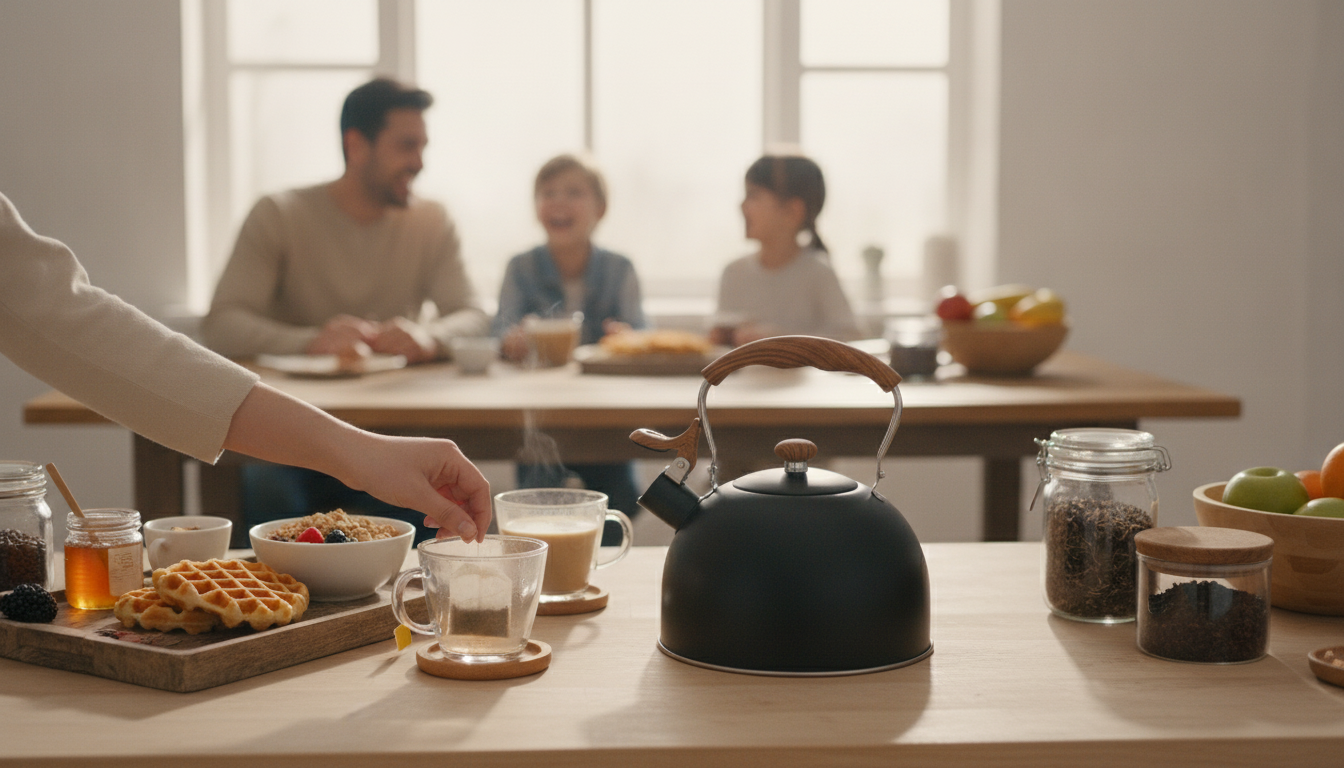
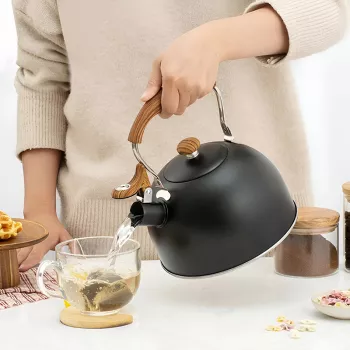
A roomy 2.5L electric whistling kettle blends quick, plug-in boiling with the familiar whistle cue for tea, coffee, and cooking prep. It’s a practical middle ground between an electric kettle and a traditional stovetop classic—especially helpful when you’re juggling breakfast, meetings, or a busy household and want an audible reminder when water is ready.
An electric whistling kettle is built for countertop convenience but keeps the unmistakable “water’s ready” signal many people prefer. Instead of relying on a burner, the heating base warms water using electricity, which can help keep the stovetop clear for pans and pots.
A 2.5L capacity is a sweet spot for households that routinely make multiple cups at once or use hot water for cooking tasks. At a listed price around $38.51 USD (pricing can change), it typically lands in the value range for a larger-capacity electric kettle, while still supporting everyday routines like morning tea, pour-over coffee, oatmeal, instant noodles, and quick blanching prep.
| Detail | What it means in the kitchen |
|---|---|
| 2.5L capacity | Fewer refills when making several drinks or prepping hot water for cooking |
| Electric heating | No burner required; useful for dorms, offices, or keeping the stovetop free |
| Whistling alert | Audible cue helps prevent forgetting the kettle while multitasking |
| Listed price: $38.51 | Value option for a larger size (pricing can change) |
Capacity matters most when you’re serving more than one person—or when hot water is a repeat ingredient in your cooking. A 2.5L kettle can reduce “top-up” interruptions and keep the pace of the kitchen smooth.
Electric kettles are straightforward, but the basics matter: steam is hot, water is heavy, and mineral buildup is real. A few habits can keep performance consistent and reduce the chance of mishaps.
For general burn and scald prevention reminders around the home, review guidance from the CDC, especially if kids or older adults share the kitchen.
A 2.5L kettle is often chosen for convenience, but the “right fit” depends on how you’ll use it day after day. Think about volume, counter space, and how particular you are about taste.
Curious about efficiency basics around heating water at home? The U.S. Department of Energy offers practical context on water heating and energy use.
If water quality affects taste where you live, the NSF consumer water quality resources are a solid starting point for understanding testing and treatment options.
Whistle volume varies by design and your environment, but it’s generally noticeable in a typical kitchen. In a busy home with fans or music, it’s best to stay within earshot and treat the whistle as a reminder rather than the only safeguard.
In hard-water areas, descaling every few weeks to once a month is common; in softer-water areas, it may be less frequent. If you notice a film inside, slower heating, or off-taste, it’s time—many people use diluted vinegar or citric acid followed by thorough rinsing.
It’s ideal for families, hosting, or shared kitchens because it cuts down on refills. For solo routines, it can still be practical if it heats smaller amounts efficiently, but keep in mind the added weight and bulk when it’s full.








Leave a comment