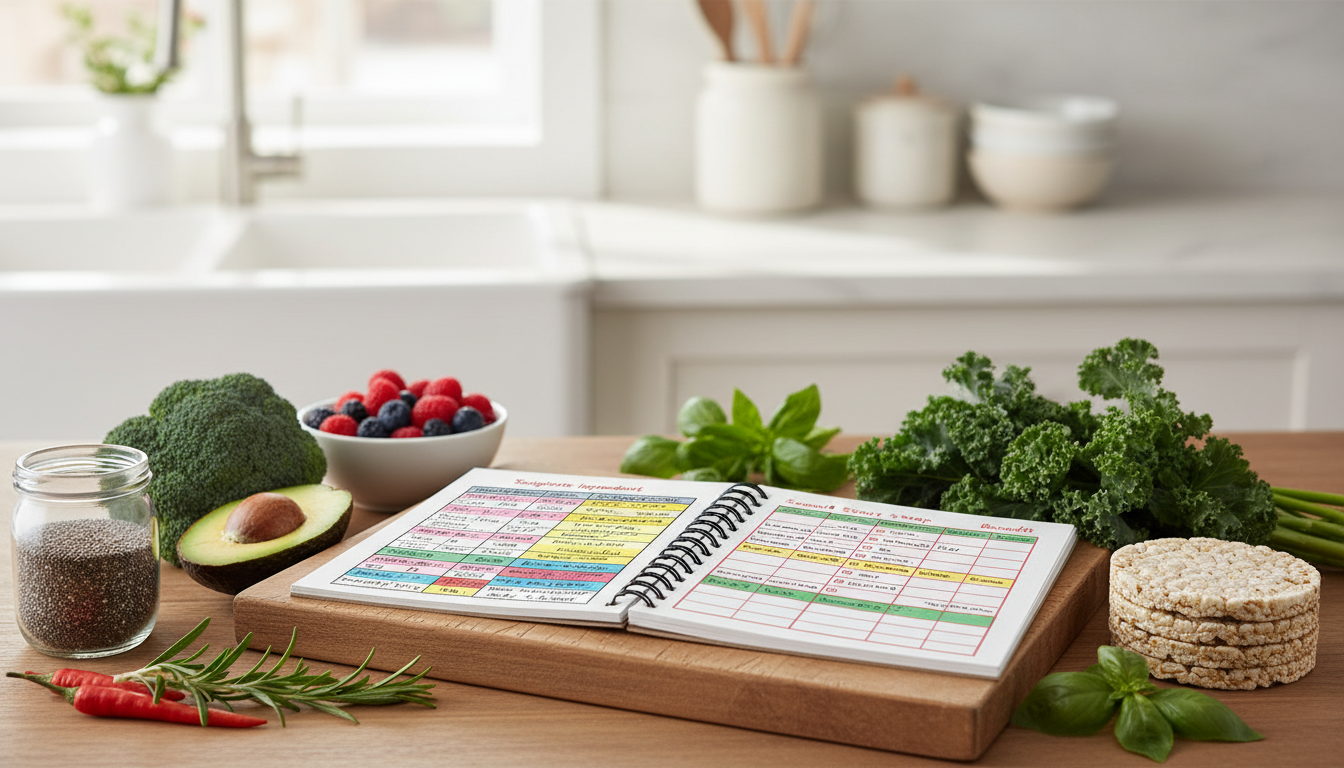
Smart ingredient swaps make it easier to cook with what’s on hand, reduce added sugar, balance blood sugar, and keep meals satisfying—without sacrificing flavor or texture. With a simple checklist mindset, substitutions become less of a gamble and more of a reliable routine, whether you’re aiming for dairy-free, gluten-free, lower glycemic, or just more nutrient-dense meals that support hormone-friendly habits.
Ingredient swaps can feel small, but they change how a recipe behaves. When you know what to expect, it’s easier to stay consistent—and consistency is what keeps healthy cooking doable on busy weeks.
Before swapping, identify what the ingredient actually does: sweetness, fat, structure, lift, moisture, acidity, or emulsification. For example, eggs provide binding and lift; yogurt adds moisture and acidity; sugar contributes sweetness and browning.
When swapping flours, purees, or liquid sweeteners, the batter’s hydration changes. If you add moisture (applesauce, banana, honey), you often need slightly less liquid elsewhere or a longer bake. If you add a thirstier flour (oat flour), you may need an extra splash of milk.
Different fats and sweeteners brown and burn differently. Some oils have lower smoke points; some sweeteners caramelize faster. For a quick primer on choosing cooking oils, see Harvard T.H. Chan School of Public Health’s overview of healthy cooking oils.
| If you’re out of… | Try this swap… | Use ratio… | Best for… | Notes |
|---|---|---|---|---|
| Egg (binder) | Ground flax + water | 1 tbsp flax + 3 tbsp water = 1 egg | Muffins, pancakes, quick breads | Let gel 5–10 min; results are denser than eggs |
| Buttermilk | Milk + lemon/vinegar | 1 cup milk + 1 tbsp acid | Cakes, pancakes | Rest 5 min; helps tenderness and lift |
| Brown sugar | White sugar + molasses | 1 cup sugar + 1 tbsp molasses | Cookies, sauces | Adds moisture and caramel notes |
| Breadcrumbs | Rolled oats (pulsed) or almond flour | 1:1 (adjust as needed) | Meatballs, coatings | Almond flour browns faster; watch heat |
| Sour cream | Plain Greek yogurt | 1:1 | Dips, baking, toppings | Choose full-fat for best texture; avoid sweetened |
| Soy sauce | Coconut aminos or tamari | 1:1 (taste to adjust) | Stir-fries, marinades | Coconut aminos are sweeter; reduce other sweeteners |
| Mayonnaise | Greek yogurt + olive oil | Start 3/4 cup yogurt + 1–2 tbsp oil | Chicken/tuna salad | Add mustard, lemon, salt to boost flavor |
| White rice | Cauliflower rice or quinoa | Cook as directed | Bowls, stir-fries | Quinoa adds protein; cauliflower lowers carbs |
The safest swaps preserve structure and acidity, like milk + lemon for buttermilk, Greek yogurt for sour cream, and white sugar + molasses for brown sugar. Flax “eggs” work well in quick breads and pancakes, while major flour swaps and big sugar reductions tend to change texture the most.
They can promote steadier blood sugar and better satiety by increasing fiber and protein while reducing added sugars and ultra-processed ingredients. Practical examples include quinoa instead of white rice, unsweetened dairy alternatives, and fruit-based sweetening to replace part of refined sugar.
Yes, but for baking it’s best to limit changes to one or two at a time and prioritize structure first (flour/eggs), then sweetness and fat. For savory dishes, you can swap more freely—then finish by adjusting salt, acid, and herbs to bring the flavor back into balance.










Leave a comment