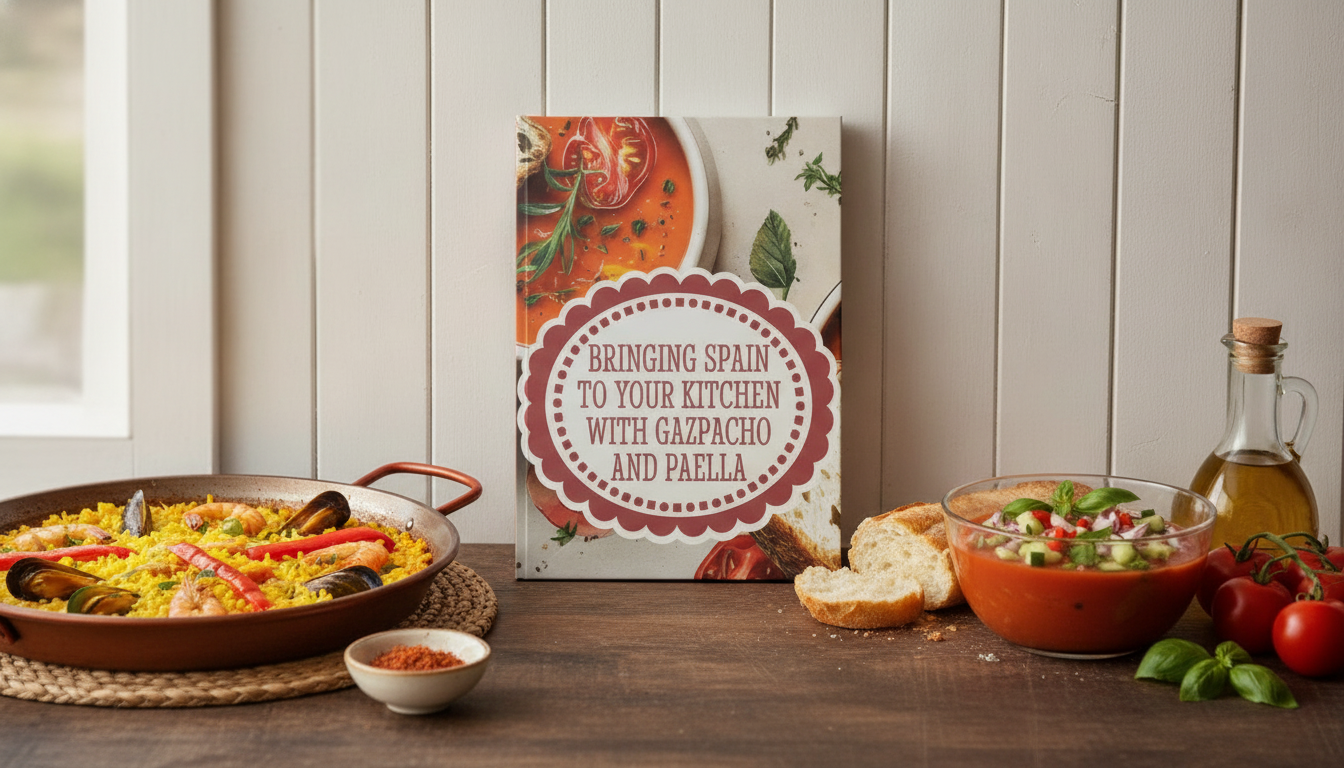
Gazpacho and paella show off two sides of Spanish cooking: refreshing, market-fresh simplicity and celebratory, pan-to-table abundance. With a few core techniques and smart ingredient choices, both dishes feel realistic for a weeknight dinner or a weekend gathering—without needing restaurant equipment or complicated steps.
Gazpacho is a chilled tomato-and-vegetable soup rooted in Andalusia, built on ripe produce, good olive oil, and the right blending method for its signature texture. Paella is closely tied to Valencia, where the pan shape, heat management, and the way rice absorbs broth determine whether the final dish tastes deeply savory and cohesive—or disappointingly bland and uneven.
Both recipes reward ingredient quality more than extra garnishes. When tomatoes taste like summer and olive oil is fruity, gazpacho turns silky and vibrant. When rice is the right variety and the simmer stays steady, paella develops its hallmark bite. Small upgrades—like sherry vinegar in gazpacho or proper paella rice—make a bigger difference than a long shopping list.
| Dish | Best season | Key success factor | Typical time | Make-ahead friendly |
|---|---|---|---|---|
| Gazpacho | Peak summer | Ripe tomatoes + emulsifying olive oil for a silky finish | 15–25 min + chilling | Yes (often better after resting) |
| Paella | Year-round (great for gatherings) | Correct rice + steady heat + letting it rest | 45–75 min | Partially (prep ahead; cook fresh) |
Before cooking, it helps to decide what you’re optimizing for: bright, clean gazpacho flavor or a paella with even doneness and full-bodied broth absorption. Start with the essentials.
For quick, accurate measuring—especially when portioning stock, vinegar, or olive oil—keep a small, clear measuring cup nearby, like the Glass Measuring Espresso & Milk Cup with Handle.
Great gazpacho is about balance and restraint. The base should taste like sweet tomato first, then cucumber freshness, then peppery bite, with garlic warmth in the background.
Common fixes: If it tastes too acidic, add more tomato or a tiny pinch of sugar. If it’s too thick, loosen with cold water. If it’s bland, salt and olive oil usually solve it faster than more vinegar.
Paella’s reputation can feel intimidating, but the structure is straightforward: build a flavorful base, add rice and broth in the right ratio, then let heat and time do their job. For background on the dish’s cultural roots, Britannica’s overview of paella offers helpful context.
If you love outdoor cooking, paella also adapts well to a grill setup. For a planning-friendly approach to fire, timing, and tools, the The Backyard Grilling Master Checklist | Digital Download for Grilling Tips at Home, BBQ Guide, Outdoor Cooking Essentials pairs nicely with weekend paella nights.
For additional meal-planning structure across the week, the Fresh Flavors Made Simple with Low Carb Recipes | Low Carb Guide, Digital Download, eBook, Meal Planning, Healthy Eating Checklist can help organize shopping, prep, and repeatable routines.
Yes—resting overnight often improves flavor. Store it chilled, stir before serving, and adjust salt or vinegar right before bringing it to the table.
Choose another short- to medium-grain rice that absorbs liquid well. Avoid long-grain rice, which tends to stay separate and won’t take on broth the same way.
Measure liquid carefully, keep a steady simmer, and stop stirring once the rice is evenly distributed. Rest the pan briefly off heat so the texture sets before serving.









Leave a comment