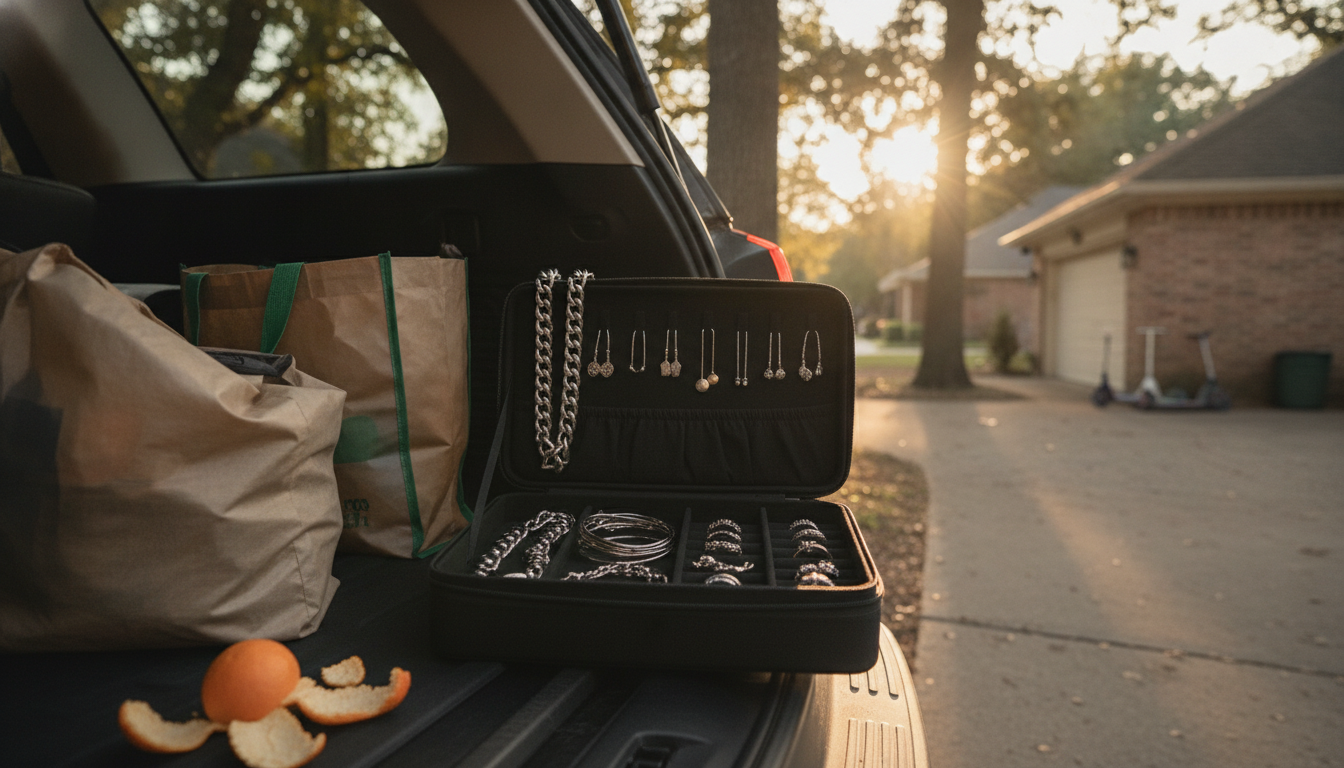
For most people, yes—stainless steel is generally fine to wear. It’s widely used in jewelry, watches, and body jewelry because it’s tough, resists rust and tarnish, and usually doesn’t react with skin the way some cheaper metals can. Many stainless steel pieces are also budget-friendly while still holding up well to daily use.
Quality stainless steel forms a stable surface layer that helps protect it from corrosion. That matters for wearability: less corrosion typically means less metal transfer onto the skin and fewer odors or discoloration. Many people can wear stainless steel rings, necklaces, and earrings without irritation, even during workouts or in humid weather.
The main concern is nickel. Some stainless steel alloys contain nickel, and nickel sensitivity is common. If someone has a known nickel allergy, stainless steel may still be irritating—especially with long wear, tight contact, sweat, or friction (like rings, watch backs, or earrings). Symptoms can include itching, redness, dryness, or a rash where the metal touches the skin.
Look for jewelry labeled “316L” or “surgical stainless steel.” 316L is a common choice for body jewelry and is generally better tolerated than lower grades. It’s not a guarantee for everyone with allergies, but it’s a strong starting point if stainless steel has bothered you before.
Keep the piece clean and dry, especially after sweating, swimming, or applying lotion or perfume. If irritation happens, stop wearing it and let the skin recover. If stainless steel consistently causes a reaction, switching to titanium, niobium, or solid gold may be more comfortable.
Interested in stainless steel beyond jewelry—like practical kitchen tools that rely on the same durability? See this guide to a fine mesh strainer with a wooden handle: https://ultimateflavor.shop/guide-fine-mesh-strainer-wooden-handle-tea-sauces/.
Usually not. Green discoloration is more common with copper or copper-plated metals; stainless steel is far less likely to stain skin unless it’s low-quality plating or mixed alloys causing a reaction.












Leave a comment