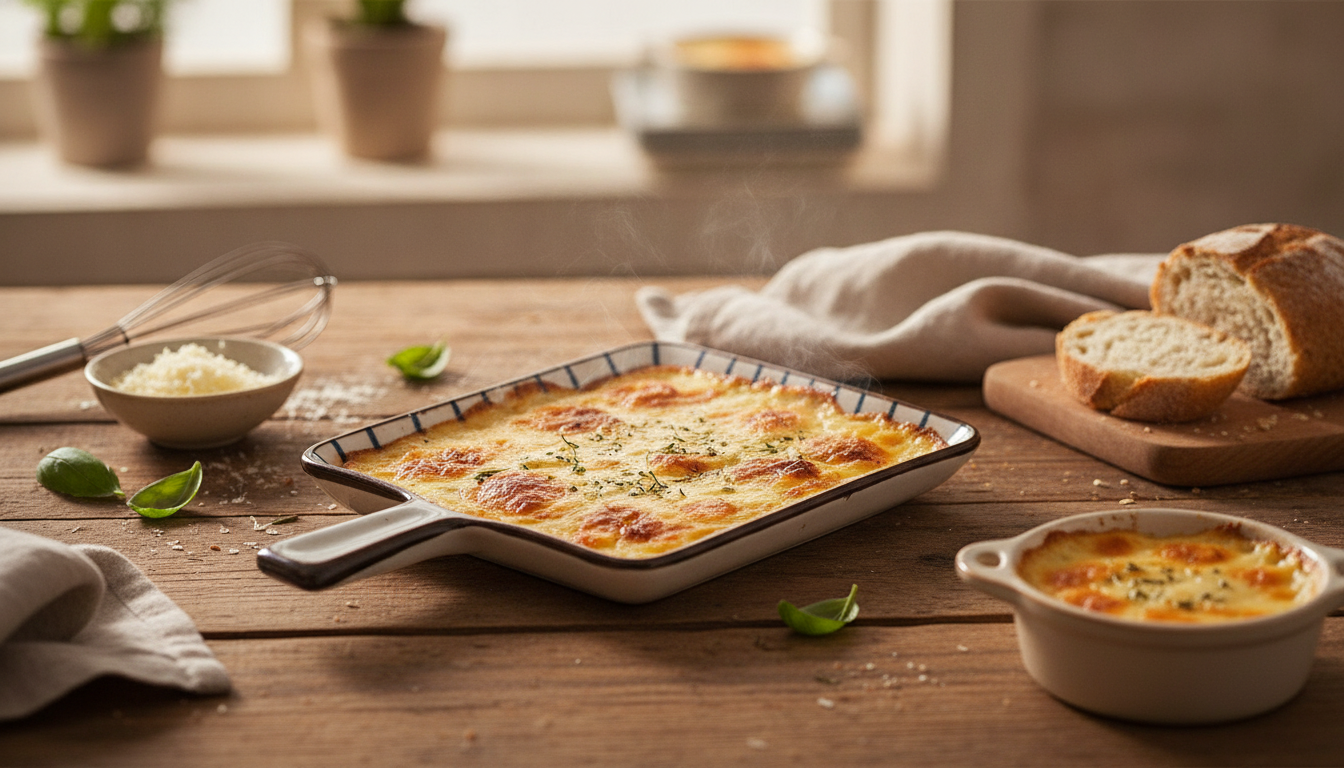
A small oven-to-table baker can turn everyday ingredients into bubbling, golden comfort food with minimal fuss. A Japanese-style ceramic square baking plate with a built-in handle is made for portion-friendly cheese bakes, tidy serving, and easier transfer from oven to countertop—ideal for gratins, baked feta, mac and cheese, and cozy one-dish sides. The square footprint helps ingredients cook evenly, while the ceramic body delivers steady heat that’s especially forgiving for melty cheese and creamy sauces.
What Makes a Handled Square Ceramic Baker So Useful
- Square shape, less wasted space: The corners and straight sides maximize usable surface area, which helps with even browning and clean, scoopable portions.
- Handle for safer moves: A built-in handle gives extra control when lifting and rotating a hot dish. (Always use oven mitts and keep the path to the counter clear.)
- Ceramic heat is gentle and consistent: Ceramic tends to hold steady warmth, which is great for melting cheese and warming creamy fillings without scorching the edges as quickly.
- Cook-and-serve convenience: It goes from oven to table without needing a separate serving platter, which means fewer dishes and a cleaner presentation.
Best Dishes for This Baking Plate
This style of baker shines when a browned top and a creamy interior are the goal. The size is especially handy for small households, side dishes, and “just enough” comfort food.
- Cheese-topped casseroles: mini mac and cheese, tuna noodle bake, broccoli cheddar bakes.
- Gratins: potatoes au gratin, cauliflower gratin, zucchini or mushroom gratin.
- Baked cheese appetizers: baked feta with tomatoes, baked brie-style dips, queso-style oven bakes finished until bubbling.
- Single-pan sides: roasted vegetables finished with parmesan, creamy spinach with a cheese crust, baked beans with a melty top.
- Desserts: fruit crumbles for two, bread pudding portions, custard-style bakes (follow the maker’s temperature guidance for ceramics).
How to Get a Golden, Bubbly Cheese Top Without Burning
A great cheese bake is all about timing and heat management. Ceramic helps by buffering temperature swings, but a few small choices make the difference between glossy, browned perfection and an oily, scorched top.
- Start with an even layer: Shred or crumble cheese uniformly so it melts at the same pace. Thick clumps brown before the rest has time to bubble.
- Use a two-stage bake: Bake until hot throughout, then finish briefly under the broiler for color. Stay close—browning can go from perfect to burned quickly.
- Blend cheeses for better melt: Pair a melty base (mozzarella, young cheddar) with a flavor booster (parmesan, gruyère). The melt stays stretchy while the top tastes deeply savory.
- Prevent oil separation: High-fat cheeses can “break” when overheated. Keep temperatures moderate, avoid prolonged broiling, and add a bit of sauce or béchamel to stabilize the melt.
- Rest before serving: Let the dish sit 3–5 minutes after baking so the cheese sets slightly for cleaner scoops and less runny oil.
Care, Cleaning, and Heat Safety for Ceramic Bakeware
Ceramic bakeware is durable when treated kindly, but it dislikes sudden temperature shocks and harsh abrasives.
For general guidance on food-contact materials and consumer product safety, review resources from the U.S. Food & Drug Administration (FDA) on food contact substances and the U.S. Consumer Product Safety Commission (CPSC) on lead in consumer products.
At-a-Glance: When a Square Handled Baker Fits Best
Use-case guide
| Cooking goal |
Why this plate helps |
Practical tip |
| Melt and brown cheese evenly |
Ceramic holds steady heat; square surface browns well |
Finish with 1–3 minutes under the broiler |
| Serve straight from the oven |
Handle improves grip and control |
Set on a trivet and portion with a silicone spatula |
| Portion-friendly bakes |
Compact footprint suits smaller recipes |
Scale recipes to thickness rather than volume |
| Easy cleanup after sticky cheese |
Glazed ceramic releases well after soaking |
Soak 10–15 minutes with warm soapy water |
Pair It With Simple Tools and Recipes
- Measure sauces accurately: Stable cheese sauces depend on repeatable ratios. A handled, heat-safe measuring cup helps you portion milk, cream, and broth cleanly. Consider the Glass Measuring Espresso & Milk Cup with Handle for quick measuring and easy pouring.
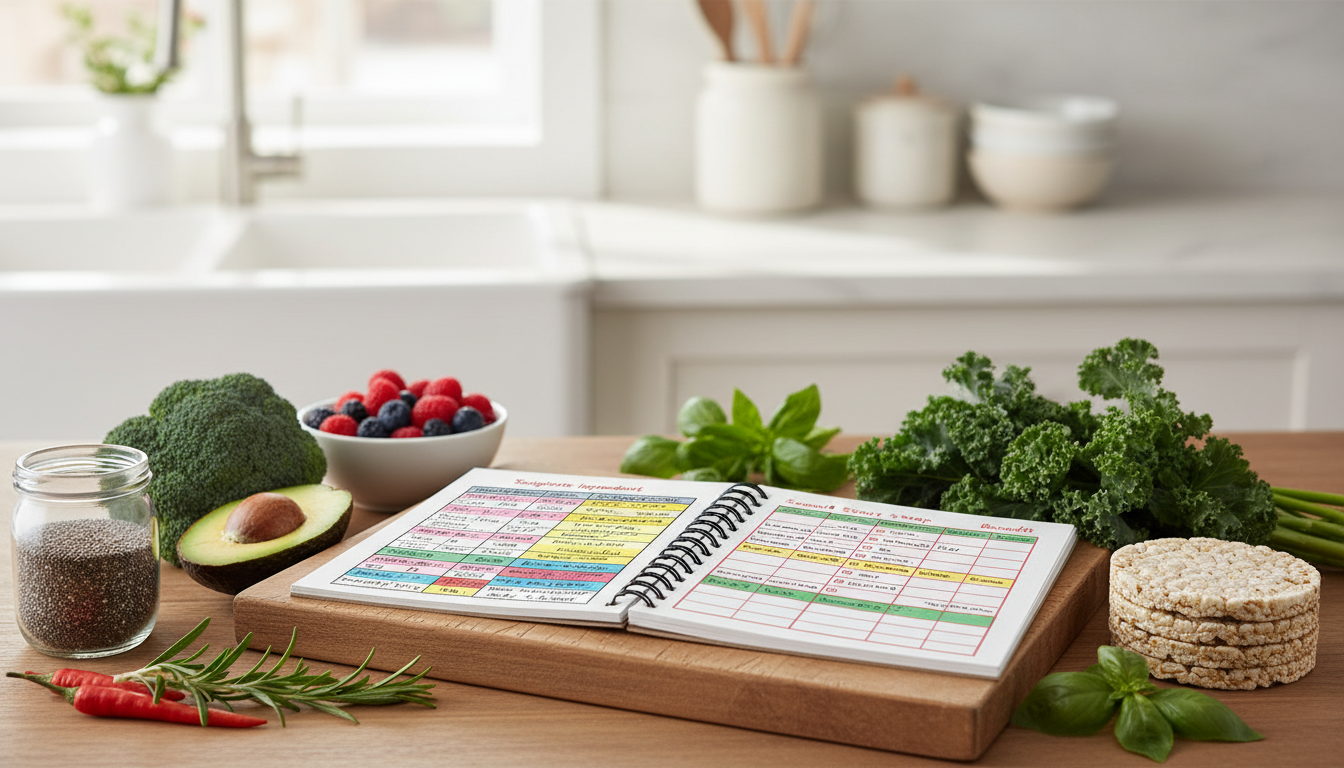
- Keep lighter bake ideas on hand: For veggie-forward gratins and protein-focused casseroles, the Fresh Flavors Made Simple with Low Carb Recipes (Digital Guide) can help with meal planning and simpler weeknight combinations.
- Make oven-to-table safer: Set out oven mitts and a sturdy trivet before baking so you’re not searching for them while holding a hot ceramic dish.
FAQ
Can a ceramic baking plate go under the broiler for browning cheese?
Often yes for short bursts, but only if the manufacturer states it’s broiler-safe. Keep the broil time brief, watch continuously, and avoid extreme temperature swings to reduce the risk of cracking.
How to prevent cheese from becoming oily or grainy in baked dishes?
Use moderate heat, avoid overbaking, and combine a melty cheese with a more aged flavor cheese. Adding a sauce or béchamel helps stabilize the melt, and resting a few minutes before serving improves texture.
What’s the safest way to clean baked-on cheese without scratching the glaze?
Let the dish cool, then soak it in warm soapy water until the cheese softens. Use a non-abrasive sponge or nylon scrubber and skip metal scouring pads that can dull or scratch the glaze.
Recommended for you









Leave a comment