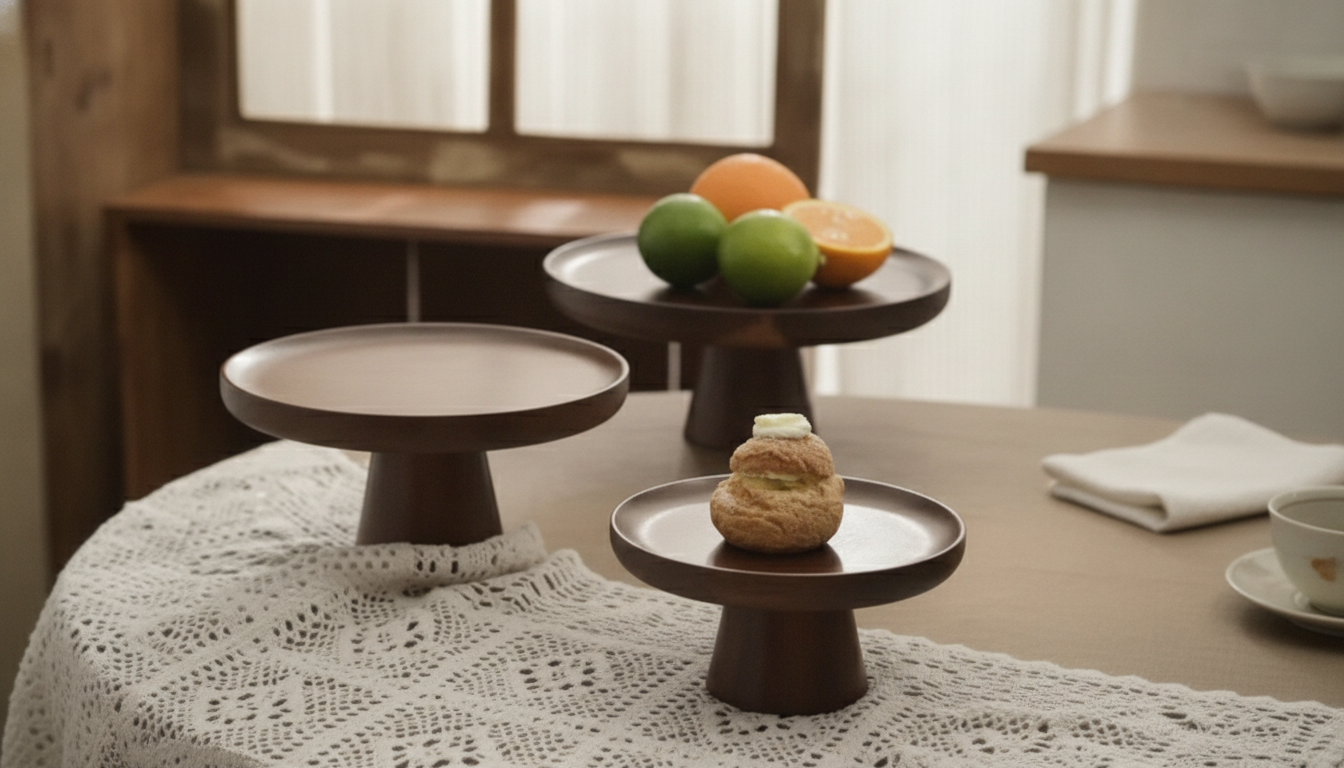
A solid wood cake tray brings a warm, calm look to desserts and small bites while staying practical for everyday serving. The Japanese-inspired style leans toward clean lines, natural grain, and a low-profile presentation that works for cakes, pastries, fruit, cheese, and tea-time snacks. This tray is designed to help desserts feel intentional—whether it’s a weekend sponge cake, a few slices of matcha roll, or a simple plate of seasonal fruit—without relying on flashy finishes. With proper care, solid wood can stay smooth, stable, and beautiful for years of entertaining.
Compared with busier platters or high-gloss stands, a Japanese-style tray tends to feel composed and calm. The simplicity makes garnish choices—powdered sugar, citrus zest, toasted sesame, fresh berries—look more deliberate, while the wood’s grain quietly frames the color and texture of the food.
| Use | Why it works | Quick tip |
|---|---|---|
| Layer cake slices | Keeps plating cohesive for multiple servings | Use parchment under very soft frosting to reduce smearing |
| Fruit assortment | Wood adds contrast and warmth to bright colors | Pat fruit dry before plating to limit moisture |
| Cookies and bars | Easy grab-and-go layout for guests | Arrange in rows to keep crumbs contained |
| Tea-time snacks | Fits a calm, minimal presentation style | Pair with small bowls for dips or jam |
| Cheese and nuts (light use) | Creates a simple grazing moment | Add a small liner or dish for oily items |
Because wood is a natural material, it responds to humidity and temperature changes. A well-made tray is sanded smooth and sealed or conditioned so it resists everyday moisture, but it still benefits from gentle treatment. For background on wood behavior and durability, the USDA Forest Service – Forest Products Laboratory is a helpful reference on wood products and performance.
If you’re serving sticky glazes or very soft frosting, a thin parchment round can make cleanup easier without changing the look too much. For general best practices related to food-contact surfaces and safe handling, the FDA Food Code provides retail food safety standards that also reinforce the value of clean, dry, well-maintained serving pieces.
For coffee pairings—especially when portioning espresso shots, milk, or simple syrup—a small measuring cup helps keep the setup tidy and consistent. The Glass Measuring Espresso & Milk Cup with Handle fits naturally into a minimal tray presentation and keeps spills off the wood.
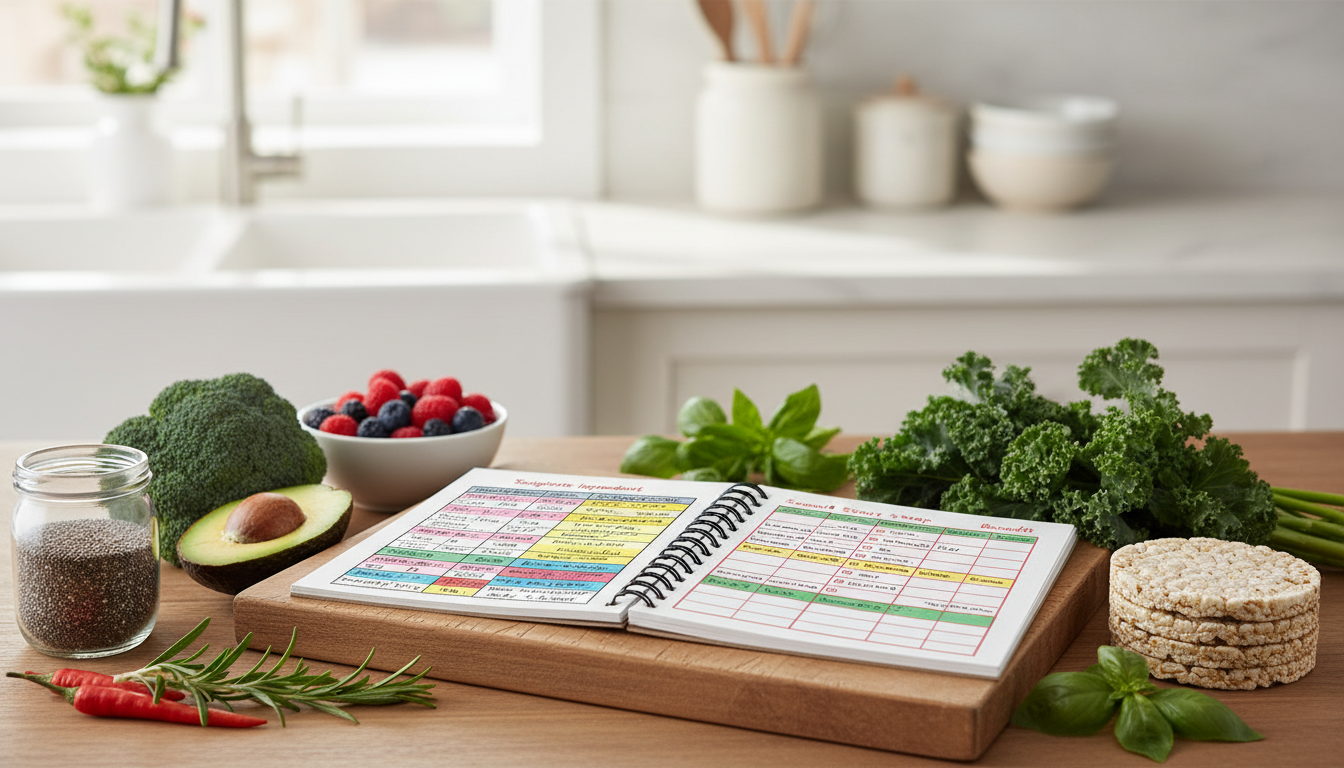
If your entertaining style includes lighter dessert options and make-ahead planning, a structured guide can help streamline shopping and portions. Fresh Flavors Made Simple with Low Carb Recipes is a handy companion when building snack boards and balanced dessert spreads that still feel special.
Yes. Let the cake cool fully first, and consider parchment or a thin liner under very soft frosting to minimize smearing and simplify cleanup.
Hand-wash quickly with mild soap and water, avoid soaking and dishwashers, and dry immediately. Re-oil occasionally with a food-safe conditioner if the surface looks dry.
It can over time if exposed to strong odors, oils, or dyes. Reduce the risk by plating drier foods, wiping promptly, and conditioning the surface when needed.










Leave a comment